Warm winter and early spring temperatures drive record snake sightings across San Diego County trails
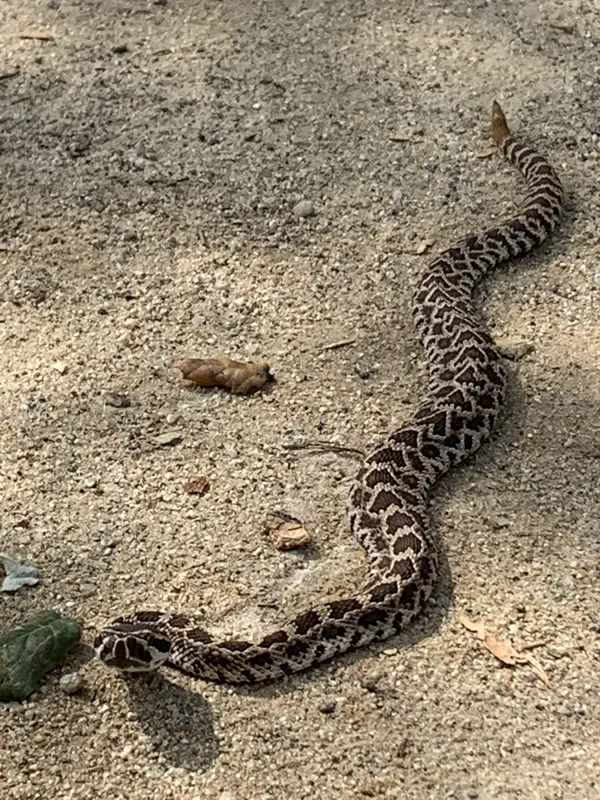
Snake encounters rise as temperatures stay unusually warm
Warm, dry conditions across San Diego County have coincided with a sharp rise in reported snake encounters on trails and near residential edges, a pattern consistent with how reptiles respond to temperature swings. In Southern California, snakes become more visible when daytime warmth increases their ability to move, hunt and cross open ground, including paved paths and roadways that retain heat.
The increase has been most noticeable in frequently visited open-space parks and canyon systems where hikers and cyclists concentrate on narrow corridors. Rangers and wildlife responders have urged visitors to treat sightings as a normal seasonal occurrence, emphasizing that most snakes retreat when given space and a clear exit route.
Where sightings are being reported
Encounters have been discussed widely in connection with popular hiking areas, including large urban-wildland interfaces such as Mission Trails Regional Park. Similar reports have surfaced across the county’s foothill and chaparral landscapes, where warmer winter days can bring earlier surface activity than many residents expect.
County animal services and wildlife organizations have also seen periodic increases in calls during warm spells, particularly when snakes appear in backyards near brush, rock walls, woodpiles, sheds and water sources. Those environments can provide cover and prey such as rodents and lizards, drawing snakes closer to homes that border open space.
Which species residents are most likely to see
San Diego County hosts many nonvenomous snakes, but the primary public-safety concern involves rattlesnakes. The most commonly encountered venomous species in many coastal and inland foothill areas is the Southern Pacific rattlesnake. Red diamond rattlesnakes are also present in the region and can be encountered in suitable habitat, including chaparral and scrub.
Because coloration varies and juvenile snakes can look different from adults, experts advise avoiding attempts to identify a snake at close range. A photo taken from a safe distance can assist with identification if authorities are contacted.
What to do on trails and around homes
- Give any snake distance and time to move away; do not attempt to scare, harass or handle it.
- Stay on established trails and avoid stepping over logs or rocks without checking the other side.
- Keep dogs leashed on trails and near brushy edges; pets are more likely to approach a snake.
- Reduce hiding places at home by clearing clutter, using caution around woodpiles, and keeping vegetation trimmed back from walkways.
Rattlesnakes are a regular part of San Diego County’s wildland ecosystems, and warmer periods can increase the likelihood of human-snake overlap in shared spaces.
Why warmth matters—and what to watch next
Snakes are ectothermic, meaning their activity level depends on external temperatures. When winter and early spring days run warmer than average, more hours become suitable for basking and foraging, increasing the chance that people will see snakes crossing open ground. If warm conditions persist, wildlife officials expect sightings to remain elevated, especially during peak outdoor-use hours on weekends and during school breaks.
Officials continue to emphasize a consistent message: most incidents are preventable when people keep their distance, control pets, and avoid trying to move or kill snakes.

Father Joe’s Villages expands pet-friendly shelter practices so San Diegans experiencing homelessness can stay together
San Diego activist Jeane “Bleu” Wong receives 45 days house arrest for assault during ICE operation
San Diego Chaldean Catholic Bishop Emmanuel Shaleta Arrested at Airport, Faces Embezzlement and Money Laundering Charges