San Diego-area reactions follow Kristi Noem’s exit from Homeland Security Department amid leadership and policy turmoil
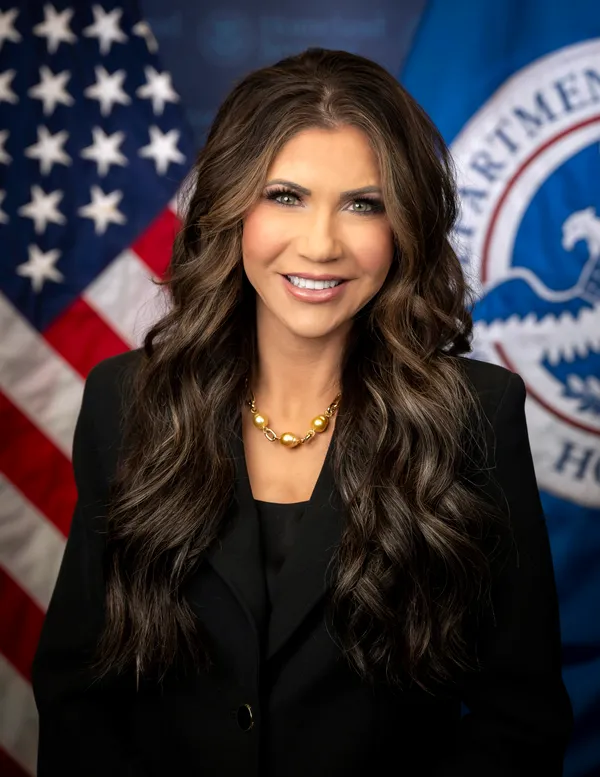
Leadership change announced at DHS as San Diego remains a focal point for border policy
President Donald Trump announced on March 5, 2026, that Homeland Security Secretary Kristi Noem will leave her position later this month, with U.S. Sen. Markwayne Mullin of Oklahoma selected as the nominee to succeed her. The White House said Mullin is expected to take over on March 31, 2026, subject to Senate confirmation.
The move comes amid heightened scrutiny of the department’s enforcement tactics, internal management disputes, and congressional oversight. In recent weeks, Noem’s role in immigration enforcement — including high-profile operations and public messaging — has remained central to national debate, with San Diego frequently serving as both a policy stage and a practical test case for border and asylum enforcement.
San Diego context: a recent DHS visit, protests, and local pressure on detention oversight
Noem visited San Diego County in mid-February, appearing near the Otay Mesa area to describe border conditions and administration priorities. The appearance drew a large protest presence and renewed attention to local concerns about federal immigration actions and conditions in immigration detention facilities.
In the wake of federal activity and public controversy, San Diego County has also taken steps to assert its inspection authority around health and safety conditions at the privately operated Otay Mesa Detention Center. The local response has reflected a broader pattern in the region: elected officials and community groups pressing for transparency and accountability when federal actions affect residents, cross-border commerce, and regional public safety services.
National oversight and internal strain shape local reactions
Noem’s final months in office unfolded against a backdrop of increasingly adversarial oversight hearings and competing claims about enforcement outcomes and departmental governance. The leadership change also lands as DHS agencies with significant San Diego footprints — including Customs and Border Protection, Immigration and Customs Enforcement, and FEMA coordination in disasters — navigate operational demands that can shift quickly with Washington directives.
Federal workforce concerns have also surfaced publicly, including anxiety about leadership transitions and continuity. Separately, public statements from members of Congress outside California have argued that replacing the secretary will not, by itself, resolve disputes about DHS practices, budgets, and due-process safeguards.
What happens next: confirmation process, operational continuity, and border-region impacts
Mullin’s nomination sets up a confirmation process likely to revisit DHS’s recent enforcement decisions, management practices, and spending priorities. For the San Diego region, the immediate questions are less about ceremony and more about continuity:
- Whether border processing rules and enforcement posture change materially after March 31, 2026, or remain largely consistent.
- How DHS coordinates with local governments on public safety, emergency preparedness, and cross-border infrastructure.
- Whether federal detention oversight disputes intensify or ease as leadership changes.
The leadership transition is expected to unfold while San Diego continues to experience the direct operational consequences of DHS policy choices — at ports of entry, in immigration enforcement, and across emergency management coordination.
With the handoff scheduled for the end of March, regional officials and residents will be watching for concrete operational directives and measurable changes, particularly where federal decisions intersect with local services and civil liberties.
San Diego Chaldean Catholic Bishop Emmanuel Shaleta Arrested at Airport, Faces Embezzlement and Money Laundering Charges

Padres and Mariners meet in Spring Training Game 14 in Peoria with regular season series ahead

San Diego Humane Society takes in 34 cats and kittens transferred from a Northern California shelter