San Diego Humane Society takes in 34 cats and kittens transferred from a Northern California shelter
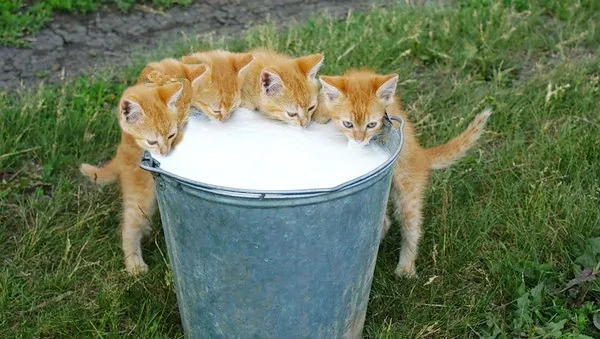
Dozens of rescued cats arrive in San Diego
San Diego Humane Society has taken in 34 cats and kittens transferred from an animal shelter in Northern California, adding a new group of animals to its care network in San Diego County. The intake followed a coordinated transport aimed at moving cats out of an overwhelmed shelter system and into a region with greater capacity to provide medical care, housing and adoption placement.
The transfer reflects a common practice among shelters: relocating animals from facilities facing space constraints to partner organizations that can stabilize them, treat medical needs and place them into adoptive homes or foster care. Humane societies and municipal shelters across California routinely use these transports during periods when intake rises or when specific shelters face staffing or space shortages.
What happens after a transfer
After arriving at a receiving shelter, transferred cats typically go through intake steps that may include identification checks, physical exams, vaccinations as appropriate, and assessment for immediate medical or behavioral concerns. Kittens and young cats can require additional monitoring and supportive care, particularly if they are underweight, recovering from illness, or too young for routine adoption timelines.
- Initial health screening and isolation protocols when needed to reduce disease transmission risk
- Veterinary treatment plans for conditions identified during intake
- Spay/neuter scheduling when age and health allow
- Placement into adoption housing or foster care based on age and condition
Shelter medicine protocols often emphasize managing contagious respiratory and gastrointestinal illnesses that can spread in congregate settings, particularly among kittens and stressed adult cats. Transfers can help reduce crowding at the sending shelter, which is a key factor influencing disease risk and animal welfare outcomes.
Transfers and capacity pressures in Southern California
The arrival of 34 cats and kittens comes as animal welfare agencies across the region continue to report periodic crowding and high intake volumes. San Diego Humane Society operates multiple campuses and provides animal care services in the county, and it has previously used expanded hours, adoption promotions and public fostering drives during times when animal populations in care surge.
Animal transfers are designed to create immediate space at overcrowded facilities while giving animals access to care and adoption opportunities elsewhere.
How the public can help
With each transfer, shelters generally rely on adoption and foster placements to keep kennel space available for incoming animals. Community support can also include volunteering and donating supplies used in daily animal care. For residents considering adoption, shelters typically recommend preparing for the costs of routine veterinary care, parasite prevention, and the adjustment period that often follows a move from a shelter environment into a home.
San Diego Humane Society has not released individual case details for each cat in the group, but the organization confirmed the total number moved and the Northern California origin of the transfer.

San Diego County schools earn 2026 Purple Star recognition for military-connected students and families support

Randy Vásquez extends strong spring as Padres and Team Great Britain finish 2-2 in Peoria
San Diego County Supervisors Approve Ordinance Allowing Separate ADU Sales, Aligning Local Rules With State Law