Four male cheetah cubs born at San Diego Zoo Safari Park, first litter there since 2020
A rare new litter at the Safari Park
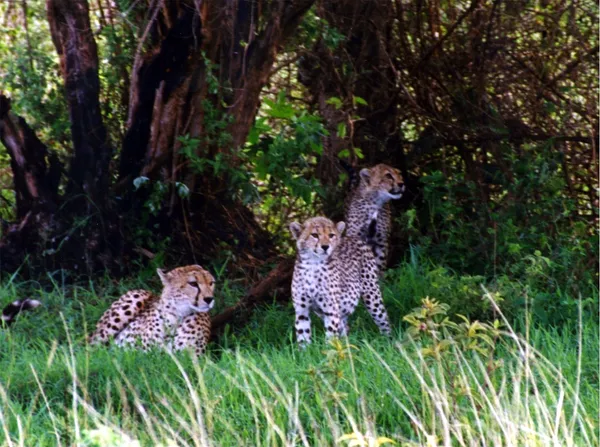
San Diego Zoo Safari Park has reported the birth of four cheetah cubs, a milestone arrival for the Escondido-based facility and its carnivore breeding program. The cubs—four males—were born on Jan. 24, 2026, and are being raised by their first-time mother, Kelechi, in a behind-the-scenes den at the park’s Carnivore Conservation Center.
The litter is the first group of cheetah cubs born at the Safari Park since 2020. Animal care staff have described the early rearing period as focused on maternal bonding and gradual increases in the cubs’ activity as they begin emerging from the den.
What visitors may see and where
As the cubs have started to venture out more consistently, the park has indicated that visitors may have opportunities to observe the family through the Ultimate Safari experience. While the cubs remain under close monitoring, this stage typically coincides with expanding the animals’ environment and encouraging natural behaviors through controlled exposure to new sights and scents.
Why four males matters for cheetah social structure
In the wild, male cheetahs often form long-term social units known as coalitions—usually composed of brothers—that can persist for life. Coalitions can influence how males move through territory and compete for access to females. For a captive-managed population, a cohesive sibling group can also shape long-term housing decisions and transfer planning as the cubs mature.
Conservation context: vulnerable species, shrinking range
Cheetahs are classified globally as Vulnerable, with wild populations concentrated mainly in southern and eastern Africa and a small, highly imperiled remnant population of Asiatic cheetahs persisting in Iran. Conservation groups and scientific assessments commonly place the number of cheetahs remaining in the wild in the mid-thousands, reflecting steep range contraction and fragmentation over time.
Across their range, documented pressures include habitat loss and fragmentation, depletion of natural prey, conflict with livestock operations, and low genetic diversity that can heighten vulnerability to disease and reduce reproductive resilience.
How the births fit into managed breeding efforts
The Safari Park’s cheetah program is connected to a broader cooperative framework among accredited zoos to manage genetics and demographics in human care. Such programs aim to maintain a healthy, genetically diverse ex situ population, guided by coordinated breeding and transfer recommendations. The four cubs’ arrival therefore has implications beyond San Diego, potentially affecting future pairing options and long-term population planning within the managed network.
- Born: Jan. 24, 2026
- Litter size and sex: four cubs, all male
- Mother: Kelechi, a first-time mother
- Location: San Diego Zoo Safari Park’s Carnivore Conservation Center
The weeks immediately after birth are typically the most sensitive period for cheetah cub survival, making stable maternal care and limited disturbance central to early management practices.

San Diego City College receives more than $1 million to build and equip new cybersecurity lab

San Diego reports overall crime fell 6% in 2025, with declines across major categories
San Diego City Council extends Zoo lease through 2078, adding parking revenue payments for Balboa Park operations