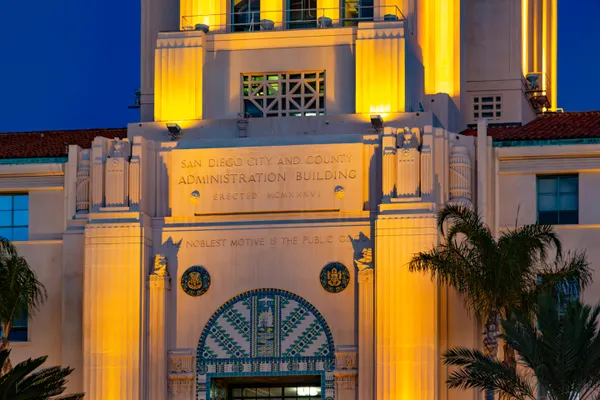
Volunteer legal observer detained and cited at downtown San Diego federal courthouse amid immigration enforcement scrutiny
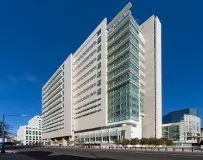
Incident at Edward J. Schwartz Federal Building
A volunteer legal observer was detained and later cited by federal authorities at the Edward J. Schwartz Federal Building and U.S. Courthouse in downtown San Diego, an incident that has intensified local attention on enforcement activity in and around immigration court proceedings.
The building at 880 Front St. houses the U.S. District Court as well as immigration court operations and federal law enforcement offices. It is also a frequent gathering point for community members who attend proceedings, provide support to people appearing in court, and monitor interactions between the public and federal officers.
What is known about the detention and ticket
In the reported case, the volunteer—described as serving in a legal-observer role—was detained during activity connected to immigration enforcement at the courthouse. Accounts describe the encounter as occurring in public areas of the facility while officers were taking enforcement action. The volunteer was ultimately released and received a citation.
Legal observer programs typically exist to document law-enforcement conduct and preserve an independent record of events. Their role is distinct from legal representation; observers are generally present to watch, take notes, and record what occurs in public-facing spaces where enforcement actions may unfold quickly.
Federal building enforcement framework
Federal buildings are governed by conduct and security rules that can include screening at entrances, restrictions on items allowed inside, and enforcement of orders issued for safety and operations. Access controls and prohibited-item lists can vary by facility, and enforcement is carried out by federal protective and security personnel operating at the site.
Separately, federal property is subject to posted restrictions and regulations that can also extend to curbs, loading zones, and areas marked for limited or no parking. In cases involving vehicle-related citations, enforcement commonly turns on whether an area is clearly marked and whether an individual complied with lawful instructions to move a vehicle.
Broader context: courthouse-area immigration arrests
The detention and citation comes amid ongoing debate over immigration-related arrests around court facilities. In San Diego, volunteers and organizers have conducted repeated courthouse-area actions—ranging from court-watching to public demonstrations—aimed at documenting enforcement practices and supporting immigrants attending hearings.
These efforts have coincided with heightened tensions over enforcement in public spaces and the boundaries between monitoring activity and conduct that federal officers may view as interference or noncompliance with security directives.
Key points still unresolved
The specific legal basis for the citation issued in the legal-observer case has not been fully established from publicly available details alone.
It remains unclear what, if any, video or third-party documentation federal authorities relied upon when deciding to detain the volunteer and issue a ticket.
Any administrative appeal or court challenge would likely depend on the exact location, posted signage, officer instructions, and the volunteer’s actions during the encounter.
The incident underscores how quickly enforcement actions in courthouse corridors and building-adjacent areas can escalate into detention, even when individuals describe their role as observational.
As public attention remains focused on federal enforcement practices near immigration proceedings, the detention and ticketing of a legal observer adds a new flashpoint to ongoing disputes over transparency, access, and compliance with federal facility rules.
San Diego County Supervisors Approve Ordinance Allowing Separate ADU Sales, Aligning Local Rules With State Law
Breezy Mornings and Big Changes: Your Thursday Briefing