UC San Diego mobile clinics expand free neighborhood services as region targets access gaps and prevention
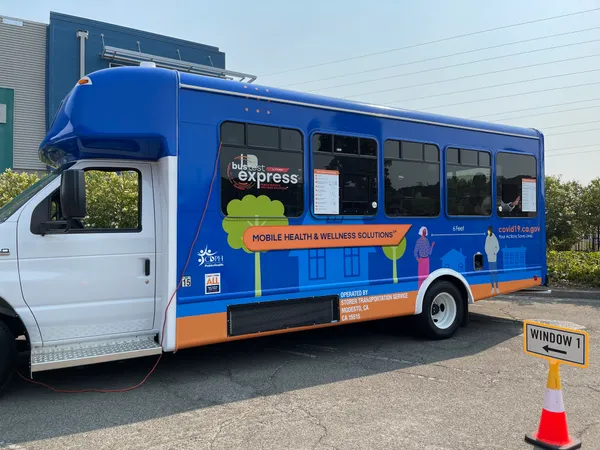
Mobile care model reaches neighborhoods where routine services can be harder to access
UC San Diego Health has been expanding mobile health services designed to bring no-cost preventive care into neighborhoods across San Diego County, an approach intended to reduce common barriers such as transportation limits, scheduling constraints and gaps in familiarity with the health system. In regional community-benefit planning, mobile services are described as a way to deliver health care in workplaces and community settings, complementing fixed-site clinics and hospital-based care.
The local expansion is part of a broader shift in health delivery that has gained momentum nationally, with mobile clinics used to provide screenings, basic preventive services and referrals for follow-up care. In San Diego County, the mobile strategy is also developing alongside other outreach vehicles operated by public agencies and community health centers, reflecting a patchwork of programs that can vary by location, service mix and staffing.
Planning documents emphasize consistent schedules and trusted community partnerships
Feedback collected through UC San Diego Health’s community engagement work highlights that predictable schedules and trusted local partners are central to effective mobile care. Community stakeholders have identified schools and community-based organization sites as priority locations, particularly when services are offered at set times that residents can rely on week after week.
Stakeholder input also points to the value of coordinating mobile events with other community services. Co-locating clinics at community centers, outside nonprofit service sites, or near food distribution programs has been identified as a practical way to reduce logistical hurdles while reaching residents already accessing other resources.
Community feedback has emphasized the importance of consistency in where and when mobile services are offered, and of partnering with local organizations for outreach and language access.
Services focus on prevention, screenings and pathway to follow-up care
Mobile health clinics commonly prioritize preventive and early-detection services, including screenings and targeted health checks, paired with referrals or navigation to ongoing care when needed. UC San Diego Health’s mobile programming has been associated with preventive services, including mammography and other preventive offerings aimed at low-income and uninsured populations.
- Preventive services delivered in community settings rather than traditional clinic buildings
- Outreach tailored to residents who may be uninsured or underinsured
- Coordination with schools, community centers and local nonprofit service providers
Geographic priorities include East County, dense urban neighborhoods and rural areas
Community input has identified several areas where mobile services may be particularly impactful. These include East County and the City of El Cajon, areas referenced for the size of refugee communities and the need for accessible entry points into health care; denser neighborhoods such as City Heights and Logan Heights; and rural communities such as Borrego Springs, where provider availability can be limited and residents may face longer travel times for routine care.
As mobile programs expand, operational challenges frequently cited by community organizations—such as staffing shortages and resource constraints—remain a key factor influencing how often mobile clinics can be deployed and what services can be offered onsite.