Two San Diego-area charity operators admit to scheme that diverted millions in donated goods
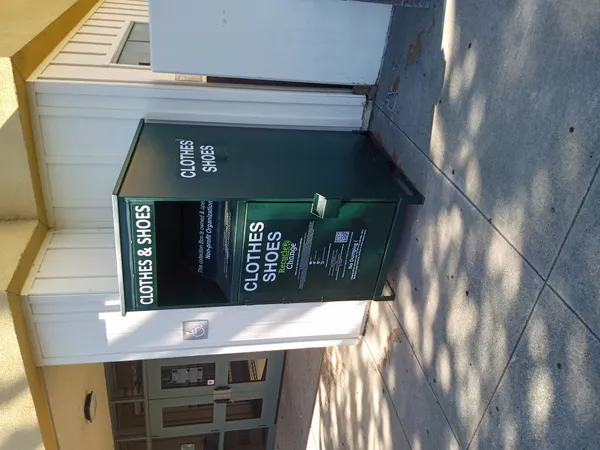
Guilty pleas outline how a non-profit was used to obtain donations that were later sold for profit
Two San Diego County residents have admitted in federal court that a charity they controlled was used to obtain large volumes of donated merchandise under false pretenses, then sell those goods for revenue that was not used for charitable purposes and was not properly reported for tax purposes.
The case centers on a non-profit organization that solicited donations from companies by representing that the merchandise would be distributed to people in need and would not be resold. Federal court records show that, instead, the donated items were sold, generating proceeds for the operators and undermining donors’ stated intent for the contributions.
The conduct, as described in court filings, relied on assurances to donors that the merchandise would be distributed rather than placed into commercial channels.
How the donation pipeline worked
Investigators documented a pattern: corporate donors provided goods after receiving representations about charitable distribution, and the organization then moved the items into resale markets. The donations included clothing and other consumer products from multiple companies.
- Donations were solicited with promises the goods would benefit low-income families and would not be resold.
- Large shipments of merchandise were obtained from corporate donors as part of the charity’s operations.
- The items were subsequently sold, and proceeds were treated as income rather than charitable distributions.
- Federal authorities alleged the operators also failed to pay required taxes tied to the resale profits.
Among the examples detailed in court records was a major clothing donation that donors valued in the millions of dollars at retail. Prosecutors described those donations as central to the scale of the scheme, both in volume and in the value attached to the merchandise.
Why the case matters for donors and legitimate charities
Charity-fraud prosecutions often turn on whether solicitations were materially deceptive and whether donations were used in line with restrictions or representations made to donors. In this case, the admissions and sentencing findings describe a model that leveraged the credibility of a non-profit to unlock corporate donations, then converted those goods into private revenue.
For donors—especially corporate contributors providing in-kind merchandise—the case underscores the importance of verifying distribution practices, documenting any restrictions on resale, and periodically auditing how donated goods are handled. For legitimate charities, enforcement actions can have broader consequences by increasing scrutiny and donor skepticism, particularly for organizations that rely on donated inventory to serve communities.
What comes next
The defendants have entered guilty pleas, and the federal court has imposed prison sentences and restitution-related consequences as part of the resolution. The case remains a reminder that charitable status does not shield an organization from fraud and tax enforcement when operations diverge from the representations used to solicit support.