Two orphaned black bear cub brothers moved to San Diego County for rehabilitation after mother’s euthanization
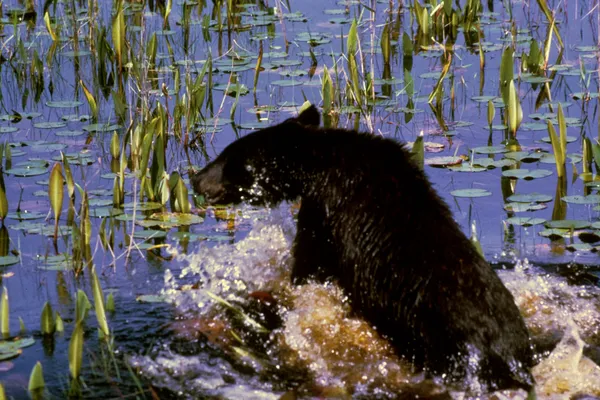
Orphaned cubs enter specialized rehabilitation in Ramona
Two black bear cub brothers are being raised at the San Diego Humane Society’s Ramona Wildlife Center after their mother was euthanized by state wildlife officials, leaving the young bears without parental care. The cubs are now in a tightly controlled rehabilitation program designed to prepare them for a possible return to the wild while limiting habituation to people.
The Ramona Wildlife Center is one of a small number of California facilities permitted to rehabilitate black bears and the only one in San Diego County licensed to care for native apex predators. That designation is central to why orphaned or displaced bear cubs from elsewhere in the state can be transferred into San Diego County when local resources are needed.
Why cubs are removed and what “rehabilitation” means
Wildlife interventions involving bear families typically follow one of two paths: reunification attempts if the mother may still be nearby, or rehabilitation when a cub is confirmed orphaned or the mother cannot continue caring for it. For cubs that survive their initial rescue, the primary operational goal is to maintain wild behaviors and reduce the risk that the animals associate food or safety with people—an outcome that can later create conflict and undermine release options.
For bear cubs, the rehabilitation timeline can extend for many months because young bears ordinarily remain with their mother well beyond their first season. In captivity, the challenge is to replace the mother’s role in feeding and development without creating dependence on humans. Centers use protocols that minimize direct contact and prevent imprinting, relying on controlled feeding routines, restricted handling, and enclosure management intended to encourage natural behaviors.
Health evaluations and case outcomes can vary
Each cub admitted to a rehabilitation center undergoes veterinary assessment to determine whether it can safely progress toward release. In recent California cases involving orphaned cub groups brought to Ramona, medical findings have included congenital deformities and traumatic injuries such as embedded projectiles. In circumstances where quality of life would be severely compromised, veterinary teams may determine that humane euthanasia is necessary.
For cubs that remain viable candidates, rehabilitation focuses on weight gain, physical conditioning, and behavioral development appropriate for survival outside captivity. When bears reach sufficient size and maturity, wildlife managers may use placement strategies that include transfer to other permitted facilities for seasonal needs such as hibernation support, followed by release planning.
Public safety, wildlife management and the limits of relocation
The case underscores the practical constraints of relocating adult bears—particularly mothers with cubs—while balancing public safety and animal welfare. Decisions can be shaped by prior incidents, the feasibility of moving an animal without increasing conflict, and whether the bear has become conditioned to residential food sources.
Rehabilitation is structured to keep cubs wild, with limited human interaction, so that release remains a realistic option.
What happens next
Ongoing veterinary monitoring and growth benchmarks will guide whether the brothers remain release candidates.
Care protocols will continue to prioritize minimal human contact to prevent habituation.
If the cubs meet behavioral and physical criteria, state wildlife officials can plan a release in suitable habitat, potentially with post-release tracking.
For now, the cubs’ trajectory depends on health, behavior, and the ability of managers to transition them from intensive care to conditions that approximate the demands of the wild.