Supervisor Paloma Aguirre proposes using San Diego County reserves to address the ongoing South Bay sewage crisis
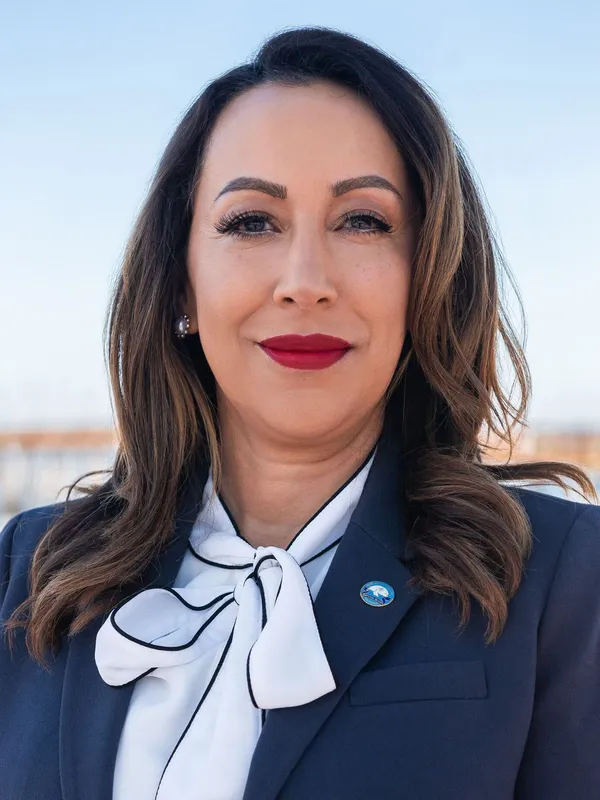
County leaders debate whether reserve policy changes could unlock funds for sewage-related response and mitigation
San Diego County Supervisor Paloma Aguirre is advancing an approach that would allow the county to use more of its financial reserves as part of a broader push to address the long-running South Bay sewage and pollution crisis tied to cross-border flows in the Tijuana River watershed. The issue has repeatedly affected coastal water quality and driven extended closures of South Bay beaches, while also raising concerns about exposure risks in communities near the Tijuana River Valley.
Aguirre, who represented Imperial Beach as mayor before being sworn in as the District 1 county supervisor on July 22, 2025, has made sewage and pollution response a central priority for the district, which includes Imperial Beach, Chula Vista, National City, and several communities within the City of San Diego. The reserve-focused discussion is unfolding alongside major federal and binational infrastructure efforts intended to reduce the volume of untreated wastewater reaching U.S. waters.
What “tapping reserves” means in practice
The reserve debate centers less on a single spending vote and more on how the county defines and counts the funds it sets aside for emergencies and volatility. In 2025, county leaders considered changes that would recalibrate the reserve target to focus on operating expenses and recognize a broader set of locally controlled reserves. Supporters said the changes would better reflect what money is truly available for urgent needs, while opponents warned against weakening fiscal safeguards.
Later in 2025, the Board of Supervisors approved revisions to the county’s reserve policy on a split vote, recognizing a larger pool of reserves under the updated framework. The updated policy also established limits and procedural requirements for any withdrawals, including board approval and annual caps.
Sewage response proposals and cost estimates
During the 2025 campaign for the open District 1 seat, Aguirre outlined a five-step local plan aimed at mitigating impacts in the Tijuana River Valley, including repair work on infrastructure in areas where flows can concentrate into high-exposure “hot spots.” The plan was presented with an estimated county cost of $18 million, framed as actions that could proceed even as larger federal projects move forward.
Parallel federal projects and funding already underway
While local reserve discussions focus on near-term mitigation and public health response, federal agencies have pursued longer-term infrastructure solutions. In late 2024, federal legislation allocated $250 million for repair and expansion work at the South Bay International Wastewater Treatment Plant, part of a larger multi-year funding effort. Federal agencies later announced completion of a 10 million-gallon-per-day expansion milestone in 2025, while U.S. and Mexico also formalized a memorandum of understanding with an implementation timeline extending through 2027.
- Local reserve proposals emphasize rapid deployment for mitigation, cleanup, and exposure-reduction measures.
- Federal plant upgrades are intended to increase treatment capacity and reduce polluted flows reaching U.S. waterways.
- Binational coordination remains central, given that major sources of wastewater and infrastructure needs are located in Mexico.
Any county use of reserves for sewage-related actions would depend on the scope of projects advanced, available discretionary balances under the reserve framework, and formal board approval.
The policy question now facing county leaders is how to balance fiscal risk management with faster access to funds for immediate community impacts in South County, as large-scale infrastructure work proceeds on separate timelines.