Senate Blocks DHS Funding Bill as San Diego Delegation Demands Limits on Immigration Enforcement Practices
What happened in Washington
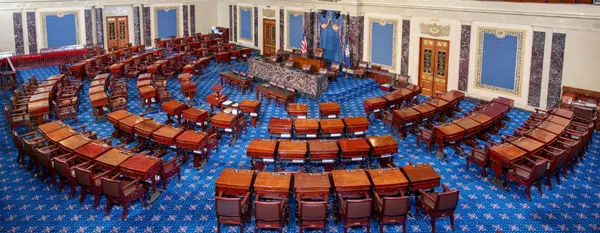
The U.S. Senate rejected a measure to advance a Department of Homeland Security (DHS) funding bill after the proposal failed to clear the 60-vote threshold needed to move forward under Senate rules. The procedural vote ended 52–47, leaving DHS without an approved full-year appropriations measure and intensifying uncertainty over agency operations tied to federal funding deadlines.
The dispute centers on immigration enforcement oversight and accountability. Democratic senators have sought to condition funding on changes to Immigration and Customs Enforcement (ICE) and Customs and Border Protection (CBP) practices following high-profile incidents involving fatal shootings by federal immigration officers in Minnesota. Republicans have argued against adding enforcement restrictions to a funding bill, framing the issue as a question of operational authority and border security.
San Diego leaders’ response
In San Diego, the region’s Democratic congressional delegation publicly aligned with the push to withhold support for DHS funding unless Congress adopts specific enforcement reforms. At a local news conference, Reps. Scott Peters, Sara Jacobs, Mike Levin and Juan Vargas described DHS enforcement conduct as a central factor in their stance and called for statutory guardrails governing how agents conduct arrests and crowd-control operations.
Peters pointed to his proposed “Stop Excessive Force in Immigration Act” as a starting point for negotiations. The delegation’s stated focus includes reducing the risk of excessive force and increasing transparency during enforcement actions.
What reforms are being debated
Negotiations have revolved around a set of oversight and operational requirements for immigration officers, including:
- Requiring body-worn cameras during enforcement operations and establishing rules for their use and retention.
- Limiting or prohibiting masks during operations, with narrow exceptions.
- Setting clearer standards for the use of certain tactics and weapons during arrests and raids.
- Creating or strengthening independent review mechanisms for incidents involving serious injury or death.
Potential operational impacts
A lapse in DHS appropriations can affect a wide range of functions, though the practical effects depend on which accounts have remaining balances and how shutdown plans are executed. Agencies and programs often deemed essential can continue, while other activities may slow or pause. In prior funding disputes, operational pressures have extended to areas such as transportation security, disaster readiness and administrative services—though border and enforcement operations have often continued under different funding and staffing rules.
What to watch next
Lawmakers indicated that talks could resume quickly if a negotiated package emerges that can attract bipartisan support. For San Diego, the outcome carries both national implications for immigration policy and local stakes tied to federal services, regional security operations and the oversight standards applied to DHS activities that touch Southern California.
The split reflects two competing legislative aims: passing time-sensitive funding to keep agencies operating while determining whether—and how—to attach binding enforcement rules to DHS appropriations.