San Diego–Tijuana border crossings face rising demand as tourism and commuting outpace processing capacity
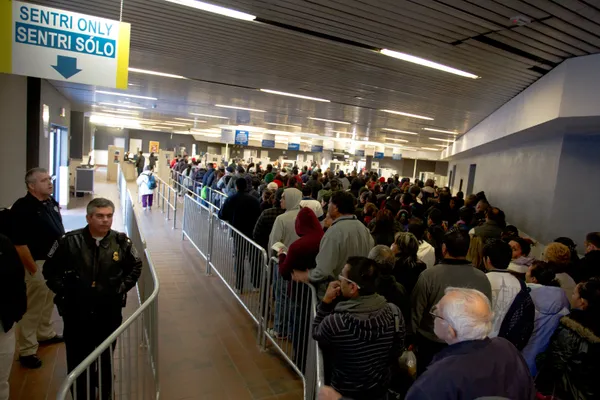
Pressure builds at the region’s busiest land ports of entry
Cross-border travel between San Diego County and Tijuana continues to expand, and tourism officials and business groups say the region’s primary ports of entry are struggling to keep pace. The San Ysidro and Otay Mesa crossings—among the most heavily used land border gateways in the Western Hemisphere—regularly experience long delays that ripple through tourism, retail, and the binational workforce.
Wait times have become a persistent feature of daily life for many residents and visitors. In recent years, border-area business leaders have described weekday vehicle waits that can reach several hours, with exceptional peak periods for pedestrians stretching longer. The impact is felt acutely in communities such as San Ysidro, where many small businesses rely on foot traffic from visitors arriving from Mexico.
What is driving higher volumes
Multiple structural trends are increasing demand at ports of entry. The region’s tourism economy remains closely tied to cross-border trips for dining, shopping, entertainment, and family visits. At the same time, the binational labor market has grown more interconnected, with rising housing costs in the San Diego region contributing to more people living in Tijuana and commuting north for work.
In addition to personal travel, commercial activity adds to congestion. Otay Mesa is a major gateway for cross-border trucking and supply chains that support manufacturing and retail networks on both sides of the border.
- Tourism and retail trips, including weekend peaks and seasonal surges
- Daily commuting tied to the binational workforce
- Freight movement and time-sensitive logistics
- Operational disruptions when inspection lanes are closed or staffing is constrained
Infrastructure investments vs. operational realities
Large capital projects have been pursued to ease pressure, including expansions at existing ports and long-term plans to add capacity through new facilities. California has advanced work tied to the future Otay Mesa East Port of Entry corridor, a project intended to help relieve congestion across the existing network and reduce idling that contributes to local air pollution.
However, the ability to translate infrastructure into faster crossings depends heavily on day-to-day operations, including staffing and resource allocation at inspection booths. When lanes are closed for operational reasons or personnel are redeployed, even upgraded facilities can struggle to deliver the intended time savings.
Economic stakes for border communities
Business and trade research has linked relatively small changes in border processing time to measurable economic effects, particularly for cargo movement and consumer spending by cross-border shoppers. For local retailers and service businesses near the ports of entry, sustained delays can reduce trip frequency and shorten visits, directly affecting revenue.
Border communities often describe time—rather than distance—as the primary barrier to cross-border commerce when delays become routine.
What comes next
Regional planning groups and public officials continue to frame border mobility as both an economic and quality-of-life issue. Near-term strategies typically focus on operational improvements—such as maximizing open lanes during peak periods—while longer-term efforts center on adding new capacity and modernizing cross-border approaches to meet demand tied to tourism growth and a deeply integrated binational economy.