San Diego’s Nowruz Observances Mark Spring Equinox as Families Balance Mourning, Tradition, and Community Gathering
A spring new year observed at the equinox
Nowruz, the Persian New Year, arrives with the spring equinox and is widely observed across communities with roots in Iran and neighboring regions. In San Diego County, the holiday is marked through household rituals, public cultural programs and community meals that emphasize renewal, nature and family continuity.
This year’s local observances are unfolding amid a broader atmosphere of grief within parts of the Iranian diaspora in the United States, as some communities scale back festivities or reshape them into gatherings centered on remembrance and mutual support.
Core traditions: the Haft-Seen table and pre-holiday rituals
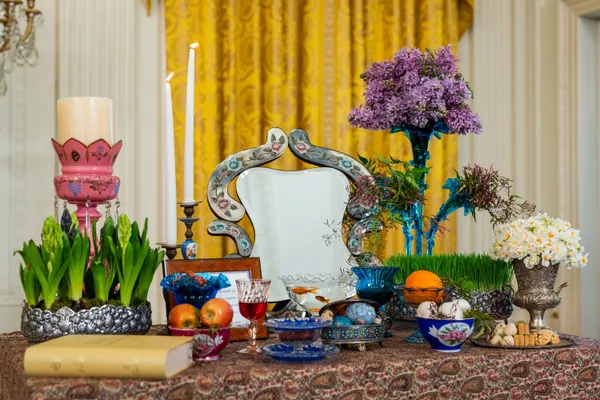
In many homes, preparations focus on the Haft-Seen table, a traditional arrangement of seven symbolic items whose Persian names begin with the letter “seen.” Families commonly gather around the table at the exact moment of the equinox, a time associated with reflection and the start of a new year in the Persian calendar.
Nowruz-related customs often extend beyond a single day. A pre-holiday fire tradition, Chaharshanbe Suri, is observed on the final Tuesday night before Nowruz. The practice centers on purification and transition from winter to spring, and in diaspora settings is sometimes adapted for safety and local regulations.
- Haft-Seen table: a symbolic display kept through the Nowruz period in many households
- Chaharshanbe Suri: a pre-Nowruz ritual associated with renewal
- Food traditions: shared meals that may include fish-and-rice dishes served for the holiday
Public programs across San Diego County
Public-facing Nowruz programming in the region has included cultural events hosted by local institutions and community organizations. The California Center for the Arts, Escondido scheduled a Persian New Year program in mid-March that paired performances and community activities with museum programming. San Diego Public Library has also listed a Nowruz celebration event, reflecting a continuing role for civic spaces in presenting cultural holidays to a broader audience.
Separately, local television coverage this week highlighted family-centered celebrations and food traditions in San Diego, including meals prepared for the holiday and references to the outdoor “thirteenth day” custom associated with the end of the Nowruz period.
Grief and continuity within diaspora celebrations
In parts of the Iranian American community statewide, the tone of Nowruz has shifted in response to recent traumatic events affecting people with family ties abroad. In some cities, traditional parties have been replaced with vigils and quieter gatherings, while still preserving hallmark customs such as candle-lighting, music and communal meals.
Nowruz observance in diaspora settings often centers on continuity: maintaining rituals at home while adjusting public celebrations to reflect the community’s lived reality.
What comes next: the holiday continues beyond the equinox
Nowruz traditions continue for days after the equinox. Many families mark the end of the Nowruz period with an outdoor gathering associated with the thirteenth day, reflecting the holiday’s longstanding connection to nature and springtime renewal. In San Diego, that continuity is visible in both household practices and a calendar of community events that carry the tradition forward even in difficult circumstances.