San Diego TSA Officers Begin Receiving Back Pay as Shutdown Strains Airport Security Screening Capacity
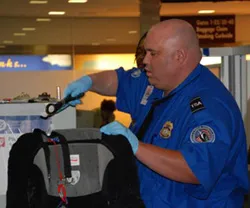
Paychecks begin reaching screeners after weeks of missed wages
Transportation Security Administration (TSA) officers at San Diego International Airport have begun receiving pay following a lapse tied to the ongoing Department of Homeland Security funding disruption. The first payments started appearing as early as Monday, March 30, 2026, after federal action directed the agency to provide compensation that accrued during the gap in appropriations.
The pay interruption affected TSA’s frontline screening workforce nationwide and coincided with reports of longer wait times at major airports. In San Diego, travelers experienced periods of heavy congestion at security checkpoints in recent weeks, as staffing levels fluctuated and demand surged around peak travel patterns.
What the pay resumption may change at San Diego International Airport
Security throughput at an airport checkpoint depends heavily on staffing reliability. During the weeks without regular pay, the risk of increased absenteeism rose across the system, creating conditions for bottlenecks when screening lanes could not be fully staffed. As pay begins to resume, one immediate operational effect can be a reduction in last-minute callouts, allowing TSA to reopen or sustain more lanes during high-volume windows.
However, airport operations experts and labor representatives have noted that even after pay resumes, recovery is not instantaneous. Staffing schedules, training requirements, and the cumulative effects of fatigue and financial stress can continue to influence day-to-day lane availability. For travelers, that can translate into uneven improvement: shorter lines on some days and renewed congestion when volumes spike or staffing falls short.
Why lines may still remain inconsistent
Several factors can keep wait times elevated even after paychecks restart. TSA staffing is planned in advance, and any recent absences can create cascading gaps in coverage. In addition, when airports experience concentrated passenger surges—such as Monday morning business departures or weekend return traffic—small staffing shortfalls can quickly expand queues.
- Backlogged staffing needs can take time to stabilize after an extended disruption.
- Passenger demand fluctuates sharply by hour and day, stressing checkpoints during peak periods.
- Checkpoint performance is sensitive to lane openings, PreCheck availability, and staffing at divestiture and screening positions.
Local support efforts highlighted the depth of the disruption
In the San Diego region, community and nonprofit assistance efforts emerged during the pay lapse to support affected screening officers and other workers. Those efforts underscored that the disruption had practical consequences for household budgets while employees continued reporting to work.
What travelers can reasonably expect next
As of March 31, 2026, pay resumption provides a concrete stabilizing factor for staffing, but it does not guarantee immediate, permanent reductions in wait times. A sustained improvement would require consistent staffing levels over multiple weeks, predictable scheduling, and the absence of additional operational shocks tied to the broader funding situation.
For San Diego International Airport passengers, the most measurable indicator in the coming days will be whether peak-period lane availability remains steady and whether queue lengths stop extending into terminal circulation areas.