San Diego night sky: late-February planetary parade and March 3 total lunar eclipse viewing guide
A rare pair of sky events arrives within days
San Diego stargazers will have two notable opportunities in the coming days: a late-February “planetary parade” visible after sunset, followed by a total lunar eclipse in the early morning hours of Tuesday, March 3, 2026. Both events are observable from Southern California if skies are clear, with the eclipse visible without special eye protection.
What a “planetary parade” is — and what it is not
The term “planetary parade” describes an apparent lineup of planets along the same broad path the Sun takes across the sky (the ecliptic). It is not a perfect physical alignment in space. The late-February 2026 configuration features six planets positioned on the same side of the sky: Mercury, Venus, Saturn, Jupiter, Uranus, and Neptune.
Four of these are typically within naked-eye reach under good conditions: Mercury, Venus, Saturn, and Jupiter. Uranus and Neptune are much dimmer and generally require binoculars or a telescope, plus darker skies away from city lighting.
How to watch the planetary parade from San Diego
When: Late February 2026, best toward the end of the month; plan for about 45–60 minutes after sunset.
Where to look: Start with the western sky, low over the horizon.
What to expect: Mercury, Venus, and Saturn cluster low in twilight, making a clear horizon important. Jupiter appears much higher and is generally the easiest planet to identify.
Equipment: None required for the brightest planets; binoculars or a small telescope improve the view and are needed to attempt Uranus and Neptune.
Safety note: Begin observing only after the Sun has fully set. Do not search for low planets while the Sun is still above the horizon.
March 3, 2026: Total lunar eclipse visible before dawn
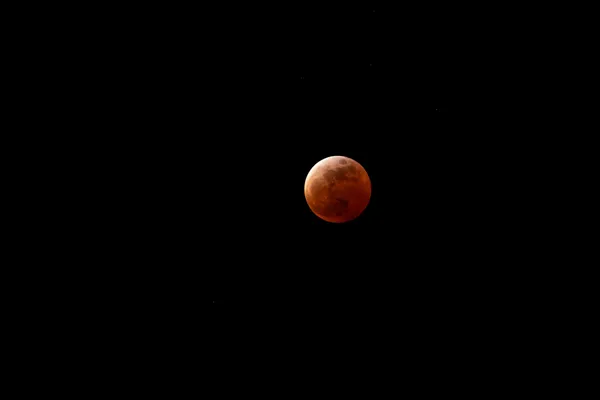
A total lunar eclipse occurs when Earth passes directly between the Sun and the Moon, placing the Moon inside Earth’s shadow. During totality, the Moon can appear coppery red as sunlight filters through Earth’s atmosphere.
For North America, the March 3 eclipse is an early-morning event. In San Diego, viewing requires an unobstructed sightline to the Moon and is best from darker locations away from bright streetlights. Unlike a solar eclipse, a lunar eclipse is safe to view with the naked eye; binoculars or a telescope can reveal more detail along the shadow line.
Practical viewing checklist
Choose a spot with a clear western horizon for the planetary parade and a wide view of the sky for the eclipse.
Allow time for eyes to adapt to darkness; limit phone brightness.
Bring layers for colder late-night and pre-dawn temperatures near the coast and inland valleys.
Cloud cover and marine layer conditions will be the primary variables for both events. If skies cooperate, the combination of a multi-planet lineup and a total lunar eclipse makes early March an unusually active stretch for local skywatching.