San Diego moves to force cleanup of a long-neglected Ocean View Boulevard property through lawsuit
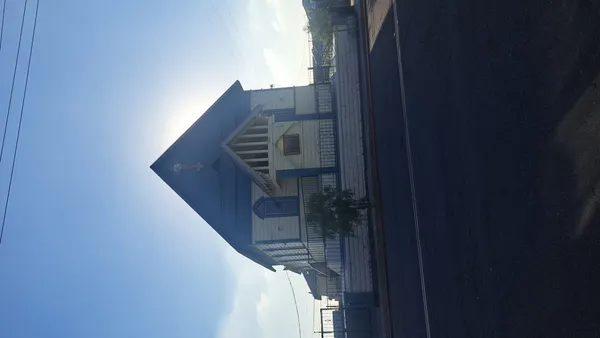
Lawsuit centers on public-safety risks and chronic code enforcement issues
San Diego has filed a civil action targeting a long-neglected property on Ocean View Boulevard, seeking court-ordered repairs and abatement of conditions city officials say have persisted despite repeated enforcement efforts. The case focuses on whether the property’s current condition constitutes a public nuisance under local building and land-use rules, and whether judicial intervention is necessary to compel compliance.
The action fits a broader pattern of municipal enforcement in which the City Attorney’s office partners with the city’s Building and Land Use Enforcement Division (BLUE) to address vacant or deteriorated properties that generate recurring complaints, safety hazards, and suspected unauthorized entry. In recent years, the city has increasingly relied on civil litigation and stipulated judgments to secure binding timelines for rehabilitation, penalties, and reimbursement of investigative costs.
What the city is asking the court to do
In nuisance-abatement cases of this type, the city typically asks for a court order requiring the owner to correct building-code violations, secure structures against trespass, and remove debris or hazardous conditions. When the city prevails or reaches a settlement, outcomes often include monetary penalties—some of which may be suspended if the owner meets strict compliance terms—along with repayment of city costs associated with inspections and investigation.
For residents living near chronically neglected properties, the practical impact of court involvement is that compliance obligations become enforceable through contempt proceedings and other judicial remedies, rather than relying solely on administrative notices and escalating citations.
Why Ocean View Boulevard properties have drawn attention before
Ocean View Boulevard runs through parts of San Diego where redevelopment and long-standing disinvestment can intersect block by block. City records and prior public actions show that properties at or near Ocean View Boulevard have been the subject of repeated city attention over the years, including efforts to transfer or rehabilitate blighted sites through housing and community development channels.
In other recent enforcement matters elsewhere in the city, municipal officials have described similar neglected sites as magnets for broken windows, roof deterioration, illegal occupancy, and conditions that can elevate risks for neighbors and first responders. Those cases have also highlighted a recurring enforcement sequence: community complaints, formal inspection, issuance of notices ordering correction of violations, and litigation after noncompliance.
What happens next
The lawsuit process typically moves through several stages: service of the complaint, court hearings or settlement negotiations, and—if the parties agree—a stipulated judgment that sets deadlines for specific corrective work. If the owner contests the allegations, the case can proceed to evidentiary hearings where the city must document code violations, the duration of noncompliance, and the connection between property conditions and public harm.
- Possible outcomes include a negotiated compliance plan, a court-ordered repair timeline, civil penalties, and recovery of city investigative costs.
- If deadlines are missed, the court can impose additional sanctions or authorize further remedies designed to secure the site and eliminate hazards.
For neighborhoods affected by long-neglected properties, nuisance-abatement lawsuits are designed to translate inspection findings into enforceable, time-bound correction requirements.
The case will be closely watched for how quickly it produces measurable changes at the Ocean View Boulevard site and whether the court orders durable safeguards against future deterioration.