San Diego man receives federal sentence after attempting to smuggle 12 parakeets from Mexico at Otay Mesa
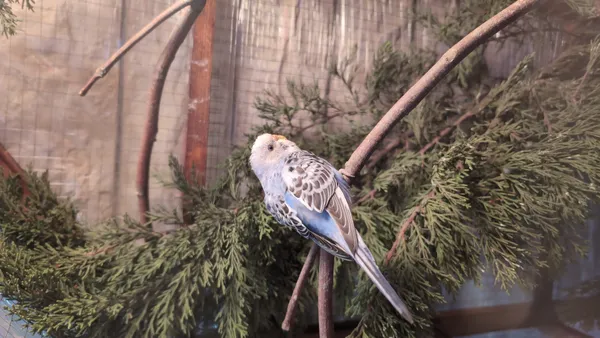
Border inspection led to discovery of concealed live birds
A San Diego man has been sentenced in federal court after authorities said he attempted to bring protected live birds into the United States from Mexico through the Otay Mesa Port of Entry.
The case centers on Naim Lajud Libien, who admitted to smuggling 12 orange-fronted parakeets and was sentenced in January 2026. Court records summarized in federal enforcement bulletins and public statements by authorities describe an inspection that began after the man was referred for additional screening while seeking entry from Mexico.
How the smuggling attempt was detected
During the secondary inspection, officers found the birds concealed in a manner prosecutors described as hazardous for live animals. Authorities said the parakeets’ feet were bound, raising concerns about potential injury. The birds were recovered and the criminal case proceeded in federal court in San Diego.
The sentence included a term of supervised release and restitution. The investigation involved multiple federal agencies with border and wildlife enforcement responsibilities.
Why live-bird smuggling triggers federal charges
Federal wildlife-trafficking enforcement is built around a framework that regulates the import and transport of wildlife and penalizes unlawful trafficking activity. The Lacey Act, a cornerstone statute used in wildlife cases, prohibits trafficking in fish or wildlife taken, possessed, transported, or sold in violation of federal, state, tribal, or foreign law. Separate provisions also address restrictions on the importation of certain injurious wildlife and related permitting requirements.
Beyond conservation protections, authorities have repeatedly emphasized that illegal wildlife importation can carry animal-welfare and biosecurity risks. Live birds can be vectors for diseases that threaten other animals and agricultural interests, and the U.S. maintains inspection and quarantine-related safeguards intended to reduce those risks.
San Diego border crossings remain a recurring venue for wildlife interdictions
The sentencing follows a pattern of wildlife interdictions at San Diego-area ports of entry, where attempts to conceal live birds and other animals have surfaced in separate cases. Enforcement activity in the region has included seizures of parrots and other birds, reflecting continued scrutiny of undeclared or unlawfully transported wildlife at land-border crossings.
Case outcome: guilty plea and sentencing in January 2026 in federal court.
Location: Otay Mesa Port of Entry, a major San Diego-area land crossing.
Animals involved: 12 orange-fronted parakeets recovered during inspection.
Smuggling cases involving live animals typically combine border enforcement with wildlife-trafficking statutes, and can also result in restitution orders tied to animal handling and care.