San Diego-led NASA EDGE mission will map Earth’s ecosystems and ice using advanced space lasers
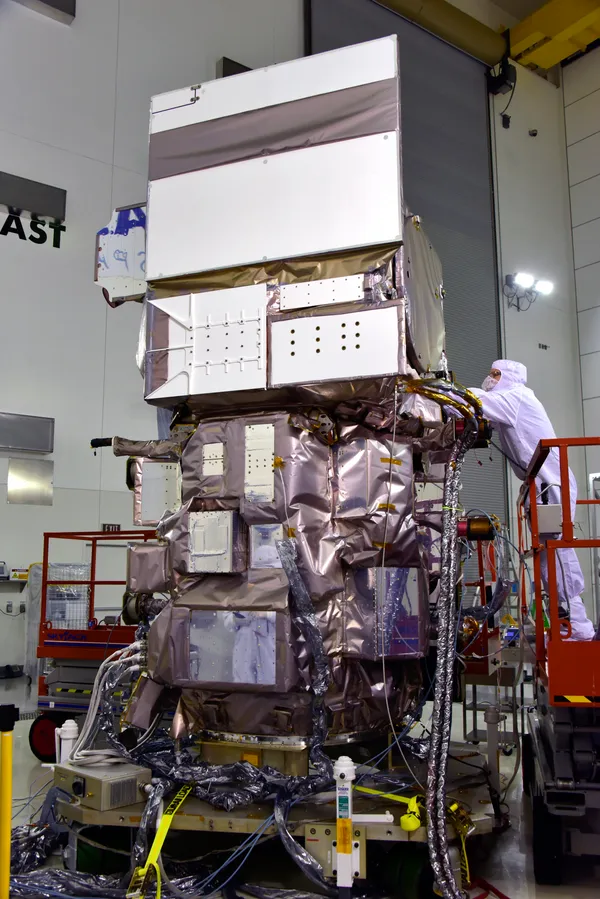
A new laser-mapping satellite mission led from San Diego
A NASA Earth-observing mission led by a University of California San Diego scientist is moving into full development with the goal of mapping key parts of the planet using space-based lasers. The mission, called Earth Dynamics Geodetic Explorer (EDGE), is designed to measure the three-dimensional structure of terrestrial ecosystems and the surface topography of glaciers, ice sheets, and sea ice.
NASA selected EDGE on Feb. 5, 2026, under the agency’s Earth System Explorers program, which supports principal investigator-led missions tied to priorities set by the U.S. Earth science community. EDGE is led by Helen Amanda Fricker at UC San Diego.
How “space lasers” will observe Earth
EDGE is a lidar mission: it emits laser pulses toward Earth and measures the time and characteristics of the returned signal to determine elevation and structure. That approach is used to infer properties such as forest canopy height and vertical structure, as well as changes in ice-surface height and shape over time.
The mission is positioned as an advancement beyond existing NASA laser-based measurements, building on experience from ICESat-2 and the GEDI lidar instrument, which has operated from the International Space Station. EDGE is intended to expand coverage and add new measurement capability, including mapping that extends into polar regions.
- Primary targets: forests and other terrestrial ecosystems; glaciers, ice sheets, and sea ice.
- Core measurements: 3D ecosystem structure and ice surface topography.
- Technical method: satellite lidar, using multiple laser sampling paths to increase measurement density.
Why the measurements matter for science and operations
EDGE’s measurements are designed to support multiple Earth-system questions and practical applications. By quantifying vegetation structure, the mission’s data can be used to improve estimates of biomass and carbon storage in forests. By tracking the elevation and physical features of ice, the mission aims to improve understanding of how ice changes contribute to sea-level rise and how polar systems are evolving.
NASA has also indicated the data are expected to inform assessments relevant to land and sea transportation corridors and other areas of commercial interest where surface conditions can affect operations.
EDGE is planned as an Earth-observing lidar mission to measure the 3D structure of ecosystems and the topography of land and ice, expanding current space-based laser observations.
Cost cap, schedule, and the next program gate
EDGE is expected to proceed through further development ahead of a confirmation review in 2027, a standard milestone used to assess technical progress and funding readiness. If confirmed, the total estimated cost for EDGE, not including launch, is capped at $355 million under the program. NASA has set a launch date of no earlier than 2030.
EDGE was selected alongside another Earth System Explorers mission, STRIVE, which focuses on vertically resolved infrared measurements of the atmosphere. Together, the two selections reflect NASA’s plan to address gaps in observations spanning Earth’s surface, ecosystems, ice, and atmospheric processes.

Breezy Mornings and Big Changes: Your Thursday Briefing

Coastal Clearing and Mountain Gusts: San Diego’s March 5 Weather Breakdown

San Diego County Authorizes Lawsuit Seeking Access to Otay Mesa Immigration Detention Center for Health Inspection