San Diego Humane Society launches 16th virtual Wildlife Baby Shower to prepare Project Wildlife for spring surge
A seasonal influx at the region’s main wildlife rehabilitation program
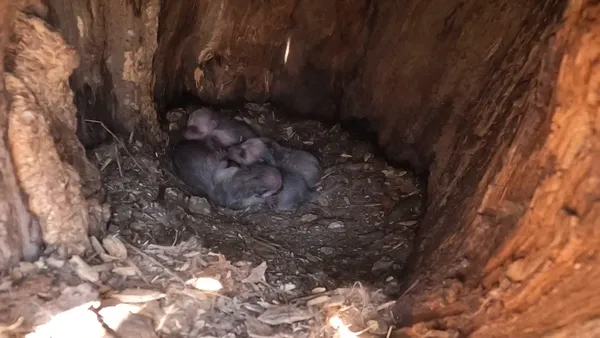
San Diego Humane Society has opened its 16th annual virtual “Wildlife Baby Shower,” a monthlong supply drive designed to stock Project Wildlife nurseries ahead of the spring intake surge of orphaned and injured wild animals. The campaign’s timing aligns with the period when many native species begin giving birth and young animals are more likely to be found separated from their mothers.
Project Wildlife operates as the primary wildlife rehabilitation resource in San Diego County for most species and has a decades-long history of providing rescue, veterinary care, and rehabilitation services. The program has reported caring for more than 12,000 wild animals annually in recent years, ranging from small mammals and songbirds to raptors and larger predators that require specialized handling and housing.
What the virtual drive is collecting and how it works
The Wildlife Baby Shower is structured around online registries that allow residents to purchase specific supplies and have them shipped directly to the organization. The registries list items used in early stabilization and daily care, including soft bedding, specialized formulas, feeding tools, pop-up habitats and species-appropriate diets for baby birds.
Supplies donated during the campaign are used to stabilize, feed and house fragile young animals through the most resource-intensive weeks of care.
Organizers have framed the drive as a way to reduce bottlenecks during peak season, when intake volume and the hands-on time required per animal increase simultaneously. Juvenile wildlife typically arrive needing frequent feeding, warmth, hydration support and careful monitoring, which can require specialized equipment and consumables not commonly used in routine adult wildlife care.
Operational context: scale, staffing and specialized facilities
Project Wildlife’s workload extends beyond seasonal infant care. The program operates from multiple sites, including a San Diego campus and the Ramona Wildlife Center, where staff handle native apex predators and birds of prey and maintain enclosures designed to minimize human contact while animals recover. The humane society also relies on a volunteer network that supports wildlife care operations throughout the year.
San Diego Humane Society, as an organization, reports caring for more than 40,000 animals annually across domestic pets and wildlife through its campuses and foster network. That system includes veterinary services supporting both shelter medicine and wildlife rehabilitation.
Why spring drives matter for wildlife rehabilitation capacity
Unlike one-time rescues, wildlife baby season requires sustained supplies because many animals remain in care for weeks or months until they reach developmental milestones needed for release. Rehabilitation teams aim to return animals to natural habitats while limiting habituation to humans—an operational constraint that shapes enclosure design, feeding methods and handling protocols.
Program: Project Wildlife (San Diego Humane Society)
Campaign: 16th annual virtual Wildlife Baby Shower
Typical spring patients: squirrels, raccoons, opossums, hummingbirds, ducklings, bobcats and other native species
The virtual Wildlife Baby Shower is currently underway and is positioned as a seasonal preparedness effort as the region enters its highest-volume period for juvenile wildlife admissions.