San Diego County supervisors seek to retire fax machines and shift staff to software phones
Proposal targets recurring communications costs amid wider budget pressure
San Diego County supervisors are moving to accelerate the county’s shift away from traditional desk phones and physical fax machines, arguing that a software-based communications model could reduce ongoing expenses by as much as $7 million per year while maintaining public access to services.
The plan was introduced by Supervisors Terra Lawson-Remer and Monica Montgomery Steppe and scheduled for consideration at a Board of Supervisors meeting on Wednesday, Jan. 28, 2026. The proposal is described as the first formal action emerging from the board’s Fiscal Subcommittee.
What would change inside county offices
The core of the proposal is to complete a transition away from a “legacy” phone platform that carries fixed costs regardless of how heavily it is used. County operations would increasingly rely on software tools that allow voice calling and related functions through applications rather than dedicated desk hardware.
- County employees would generally be limited to one county phone line.
- Landlines and physical desk phones would be replaced with software-based “soft phones.”
- Unused devices would be returned and removed from inventory.
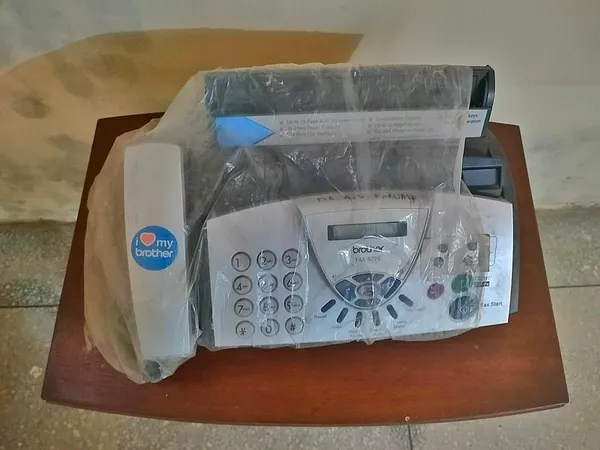
- Standalone fax machines would be phased out over time.
The proposal also outlines an exception process for situations where older systems remain necessary to ensure reliability or continuity of operations.
Rationale: technology adopted during the pandemic, then measured over time
Supporters of the plan point to operational changes made during the COVID-19 pandemic, when county government expanded use of mobile and software-based tools to keep services running amid disruptions. In the years since, the supervisors say accumulated usage and cost data indicate that maintaining newer tools alongside older infrastructure may be less efficient than fully retiring legacy platforms where feasible.
Financial stakes and implementation questions
County staff estimates cite potential ongoing savings of up to $7 million annually, building on reductions already achieved through mobile-only configurations and device optimization. The estimate is presented as a ceiling rather than a guaranteed amount, and the pace at which savings could be realized would depend on implementation timelines, equipment retirement schedules, and the scope of approved exceptions.
The proposal frames the communications overhaul as a cost-containment step designed to preserve core county services during a period of fiscal uncertainty.
If approved, county departments would need to manage training, service continuity, and a structured transition away from hardware-based communications. The policy debate is expected to focus on how quickly legacy systems can be retired without disrupting public-facing contact channels, internal emergency coordination, and specialized workflows that still rely on fax or fixed-line infrastructure.
Next step
The board is set to take up the item at its Wednesday meeting. Any adopted changes would move into administrative planning and rollout, including criteria for exceptions and timelines for equipment reduction.