San Diego County health officials urge measles vaccination as U.S. outbreaks grow and travel risks rise
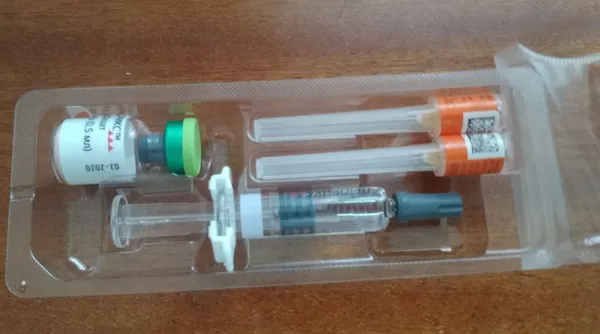
Health agencies emphasize prevention as national case counts climb
San Diego County health officials are urging residents to confirm they are protected against measles, citing a rise in U.S. cases and continued risk of importation tied to travel and ongoing outbreaks. The message comes as national surveillance tallies hundreds of measles cases early in 2026, with most linked to outbreaks that began in 2025.
Measles remains rare compared with many respiratory illnesses, but it spreads efficiently through airborne transmission. Public health officials note that people can be exposed in crowded settings such as airports, schools, health care waiting rooms and large events, particularly when measles is circulating in other parts of the country or internationally.
What the current case trends show
National data show the United States has reported 588 confirmed measles cases in 2026 as of January 29, with 94% of cases outbreak-associated. The prior year recorded 2,267 confirmed cases and 49 outbreaks nationwide, signaling sustained transmission in pockets where vaccination coverage is not high enough to interrupt spread.
In California, state health authorities issued a health alert on February 4, 2026 reporting nine confirmed measles cases in 2026 as of February 2, with most tied to international travel and none documenting MMR vaccination. The alert also urged clinicians to rapidly identify suspected cases and use airborne precautions to prevent exposures in medical settings.
How measles spreads and who faces higher risk
Measles typically begins with fever and respiratory symptoms, followed by a characteristic rash. People can transmit the virus before the rash appears and for several days afterward. Because measles can remain suspended in the air for extended periods, a single infectious person can expose many others in enclosed spaces.
Infants under 12 months are at increased risk because they are typically too young for the first routine MMR dose.
Unvaccinated children and adults face the highest risk of infection and can fuel outbreaks.
Pregnant people and individuals with weakened immune systems can face higher risk of severe outcomes.
Vaccination guidance and community-level protection
Health officials continue to emphasize the measles, mumps and rubella (MMR) vaccine as the primary tool to prevent infection and limit outbreaks. Two doses of MMR are widely used in routine childhood immunization schedules and are considered highly effective at preventing measles. Public health agencies also point to community vaccination levels as a key determinant of whether isolated cases become sustained outbreaks, with a commonly cited benchmark near 95% coverage to reduce the likelihood of rapid spread.
Residents who develop fever and rash after recent travel or possible exposure are urged to contact a health care provider before arriving in a clinic or emergency department, so facilities can take steps to reduce exposures.
What residents can do now
Check MMR vaccination records and bring immunizations up to date, especially before international travel.
Seek medical guidance promptly if symptoms appear after exposure or travel, and call ahead before visiting a clinic.
Parents of infants and families with immunocompromised members should discuss additional precautions with a clinician during periods of elevated regional or national activity.