San Diego County fire agencies warn warming temperatures are increasing wildfire risk across inland and foothill communities
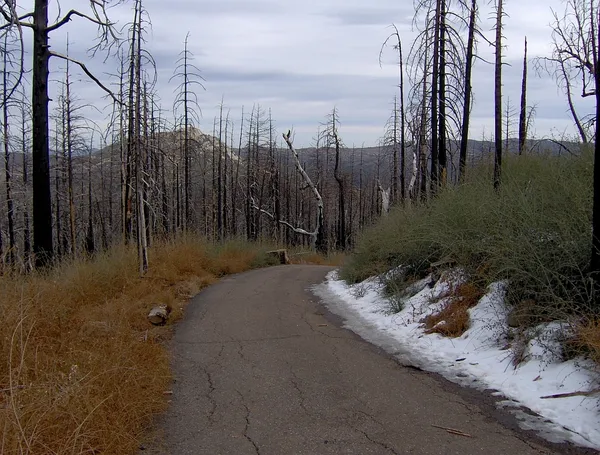
Early-season heat raises concern for faster-moving fires
San Diego County fire agencies are urging residents to prepare for elevated wildfire risk as a significant warm-up pushes temperatures well above seasonal norms across much of the region. Fire officials say hotter, drier conditions can accelerate vegetation drying and increase the likelihood that small ignitions become fast-spreading brush or grass fires—especially in inland valleys, foothills and desert communities.
The warning comes as a ridge of high pressure builds over Southern California, a pattern that has been associated with sharp temperature increases in March. Forecasts for mid-March have included inland highs in the 80s, deserts near 90 degrees, and the potential for some inland locations to challenge or exceed 100 degrees during the hottest part of the warm spell. Fire agencies note that when heat arrives ahead of the typical peak fire months, it can compress the timeline for vegetation to dry out and for fire behavior to become more volatile.
Fire hazard maps show expanding “very high” zones in San Diego County
The heightened alert also reflects longer-term risk trends documented in state fire planning. Updated Fire Hazard Severity Zone mapping released in 2025 expanded the acreage classified as “very high” in San Diego County, including growth into areas that are more urbanized than in prior map cycles. The updated mapping is used in planning and risk communication and helps determine where additional wildfire-related standards and defensible-space requirements apply.
What fire officials say residents should do now
Fire agencies emphasize that preparedness steps taken during shoulder seasons can reduce risk before peak summer and fall conditions arrive. Key actions include reducing ignition sources, improving home hardening where applicable, and planning for evacuations that may be ordered with limited notice.
- Review evacuation routes and identify multiple ways out of your neighborhood, including alternatives if primary roads are congested or closed.
- Maintain defensible space by removing dead vegetation, trimming overgrown brush, and keeping roofs and gutters clear of debris.
- Store outdoor equipment safely and avoid activities that can generate sparks during hot, dry or windy periods.
- Sign up for local emergency alerts and keep a go-bag ready with medications, important documents and basic supplies.
How heat, wind and low humidity change fire behavior
Fire officials caution that high temperatures alone do not determine fire danger, but they often coincide with lower relative humidity and faster fuel drying. When breezy conditions overlap with dry vegetation—particularly fine fuels like grasses—fires can spread quickly and become difficult to contain in the initial attack phase.
Warm, dry spells can rapidly dry grasses and light brush, increasing the chance that a small ignition spreads before crews can stop it.
What to watch in the days ahead
Fire agencies are advising residents to monitor forecasts for periods of hot, dry weather and to treat any declared high fire danger periods as times to reduce potential ignition activities. Officials also stress that preparedness is most effective when completed before conditions worsen—particularly for households near canyons, open space, and the wildland-urban interface.