San Diego Chaldean Catholic Bishop Emanuel Shaleta faces sheriff fraud probe and Vatican inquiry over misconduct allegations
Investigation spans civil authorities and church oversight
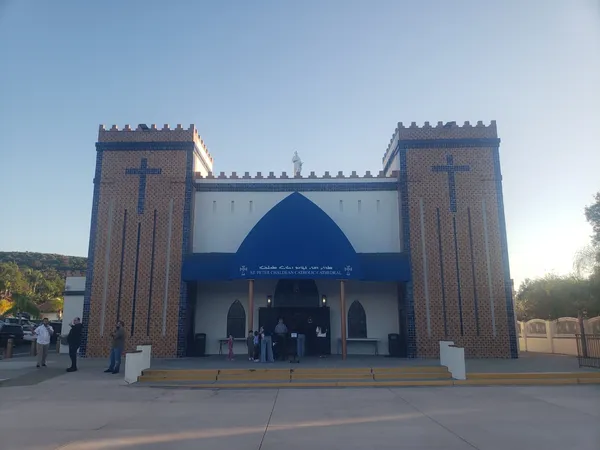
San Diego County Sheriff’s investigators have opened a fraud inquiry into allegations of financial mishandling involving Bishop Emanuel Shaleta, the head of the Chaldean Catholic Eparchy of St. Peter the Apostle of San Diego, based at St. Peter Chaldean Cathedral in El Cajon. The sheriff’s fraud unit has confirmed it is reviewing the allegations while church authorities are also conducting a separate canonical process through the Vatican.
Shaleta, 60, has led the eparchy since 2017. The eparchy serves Chaldean Catholics across a large western U.S. territory and is centered in San Diego County, where the cathedral also functions as an administrative hub for diocesan operations.
Financial allegations focus on rental income and charity-designated accounts
The core financial claims involve money connected to rental payments for a church-owned property. Records described in published reporting indicate that rental income was allegedly diverted or misapplied and later replaced using funds earmarked for charitable purposes. One figure repeatedly cited in the documentation under review is at least $427,000, with additional transactions described as potentially raising the amount further.
Among the transactions described are payments reportedly handled in cash and then “reimbursed” from accounts intended for assistance to the poor. The allegations also include cash received for certain religious services, with questions raised about documentation and internal controls tied to how those funds were processed and tracked.
- Subject of civil review: alleged “financial mishandling” under investigation by the sheriff’s fraud unit.
- Key questions: whether restricted charitable funds were used to cover unrelated shortfalls and whether required documentation was maintained.
- Potential exposure: allegations range from hundreds of thousands of dollars to higher estimates tied to additional questioned transactions.
Allegations of improper personal conduct also under review
Separate from the financial claims, Shaleta faces allegations of improper conduct tied to cross-border travel and visits to an establishment in Tijuana that has been described in local and international reporting as linked to prostitution. The record described in published accounts includes surveillance observations compiled by a private investigator.
Published reporting has also raised questions about a longstanding personal financial arrangement involving a joint bank account with a woman and the nature of their ongoing contact. These allegations have not been adjudicated in court, and no criminal charges have been announced.
Bishop’s status and response
Shaleta has remained publicly active in church settings while the processes unfold. In recent remarks to congregants, he denied wrongdoing related to church funds and framed the dispute as stemming from internal conflict. The Vatican has not publicly confirmed whether it has accepted any resignation or imposed administrative changes, and local church leadership has declined to comment in detail while investigations are pending.
The case now hinges on two tracks: the sheriff’s financial investigation and the Vatican’s canonical review, each operating under different standards of evidence and potential outcomes.
What happens next
Civil investigators typically determine whether the financial evidence supports criminal referral, while church authorities can separately consider disciplinary measures, administrative changes, or restrictions on ministry. For parishioners, the immediate practical questions center on financial transparency, governance safeguards for restricted funds, and whether interim leadership arrangements will be put in place as the investigations continue.