San Diego artist’s federal civil-rights lawsuit challenges City rules defining protected art and park vending
Federal lawsuit targets how San Diego distinguishes “expressive activity” from vending in public parks
A San Diego artist has filed a federal civil-rights lawsuit against the City of San Diego, alleging that municipal rules and their enforcement unlawfully restricted her ability to display and sell her work in Balboa Park. The case raises a recurring constitutional question for cities nationwide: when does selling an object in a public space qualify as protected expression, and when is it regulable commerce?
Court records show the complaint was filed Feb. 20, 2026, in the U.S. District Court for the Southern District of California. The lawsuit names the City of San Diego as the defendant and seeks a jury trial.
How the city’s park policy defines “expressive activity”
San Diego maintains designated rules for expressive activity in city parks. Under the city’s published guidance, expressive activity can include the sale of certain items described as “inherently communicative” with nominal value beyond their message, including the sale of artwork and similar expressive materials. The policy also identifies categories the city says are not expressive activity, including the sale or creation of handcrafts and certain other goods and services.
The distinction matters because it affects where and whether someone may sell items in parks without being treated as a vendor subject to additional restrictions. In practice, enforcement can fall to park rangers and other officials tasked with applying park rules on-site.
What the artist alleges happened in Balboa Park
The artist at the center of the new case has publicly described receiving multiple enforcement actions in Balboa Park after city rules were updated in 2024. Publicly available descriptions of the dispute include alleged citations and escalating fines tied to how the city categorized her work—particularly pieces involving clay or mixed media—as unprotected “handcrafts” rather than protected visual art.
The lawsuit centers on whether the city’s definitions and enforcement drew an unconstitutional line between protected art sales and regulable vending.
Broader legal context: a pattern of First Amendment litigation over public-space rules
The lawsuit arrives amid broader litigation and public debate over how San Diego regulates expressive activity, busking, and sales in high-traffic public spaces. Recent challenges to city regulations—some involving Balboa Park, beaches, and other parks—have questioned whether location-based restrictions and categorical exclusions unlawfully burden protected speech.
Those disputes have highlighted the operational tension cities face: balancing crowding, access, safety, and fairness in heavily used public spaces while avoiding rules that are vague, unevenly enforced, or overly restrictive toward expressive conduct.
What happens next
Key next steps typically include service of the complaint, the city’s response, and early motions that may address whether the challenged rules are constitutional on their face or only as applied. The case could also test how courts evaluate mixed-media and handcrafted works under First Amendment frameworks when the items are sold in a public forum.
Case filed: Feb. 20, 2026 (U.S. District Court, Southern District of California).
Core dispute: whether the city’s definitions and enforcement improperly excluded certain art from First Amendment protection.
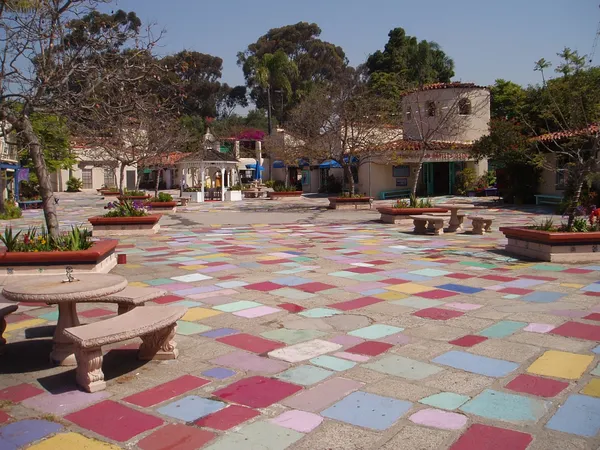
Setting: Balboa Park, one of the city’s most prominent public gathering spaces.
The outcome could influence how San Diego applies park rules to artists and other public-space creators, particularly where the line between art and handcraft is contested.