San Diego and Imperial Counties See 1,500% Jump in Immigration Arrests, Driven by Check-ins and Courthouses
A rapid rise concentrated away from the border
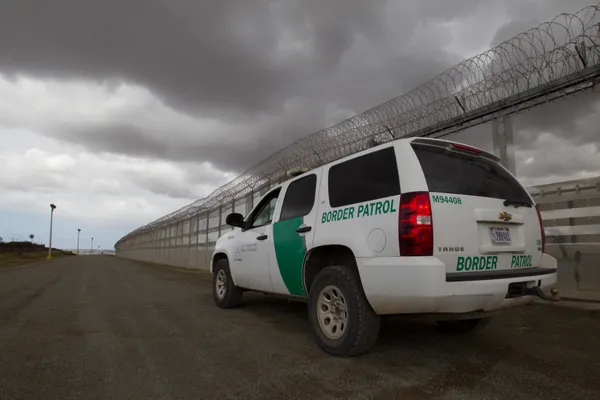
Immigration-related arrests in the San Diego region rose sharply in 2025, with federal data showing a steep increase concentrated in San Diego and Imperial counties. The figures point to a major shift in day-to-day enforcement patterns: arrests for civil immigration violations climbed from fewer than 300 between May and October 2024 to more than 4,500 over the same months in 2025—an increase of roughly 1,500%.
The arrest totals in the two-county region grew to the point that, by September 2025, they exceeded recorded immigration arrests in the Los Angeles enforcement territory, despite Los Angeles covering a far larger population and geographic area. The pattern indicates that the San Diego area became a major focal point for enforcement during late summer and early fall.
Where arrests are happening and why it matters
Available reporting and public records describe a concentration of arrests in and around government processes where immigrants are often required to appear—particularly immigration check-ins and courthouse settings. Civil-rights advocates have argued that arrests at or near courthouses can deter people from attending hearings and appointments, raising due-process concerns and increasing the likelihood of removal orders for those who miss mandatory appearances.
Beyond courts and check-ins, enforcement activity has also been reported in everyday public spaces, including retail parking lots and areas near schools. Several incidents drew public attention in 2025, including a high-profile action at a neighborhood restaurant in San Diego.
Arrest demographics: growth among people without criminal records
Separate datasets obtained through public records requests and analyzed by local investigators show a strong increase in arrests of people without criminal charges or convictions. In San Diego, arrests of individuals without a criminal record rose markedly in 2025 compared with 2024, with thousands of such arrests recorded through October 2025. In that same period, total arrests in the region rose several-fold from 2024 levels.
This shift has become central to the public debate: federal officials have emphasized public safety priorities, while the arrest composition reported in local analyses suggests an expanding enforcement footprint affecting people who have no documented criminal history.
Community response and on-the-ground friction
The increased enforcement has been met with heightened community monitoring and more frequent public confrontations. Residents and advocacy groups have organized neighborhood alert efforts intended to notify communities when federal agents are present. Protests and tense exchanges have also been reported during arrests in downtown courthouse corridors.
"I feel the temperature rising."
What to watch next
Whether arrest levels remain elevated beyond 2025’s summer and fall surge, or fluctuate with operational directives and staffing.
How often arrests continue to occur at locations tied to legal compliance—such as check-ins and courthouses—and whether litigation or policy changes alter those practices.
How local institutions, including schools and courts, respond to community concerns about access, safety, and attendance.
For San Diego and Imperial counties, the data depict a marked escalation in civil immigration arrests within a short timeframe, with enforcement increasingly visible in the routines of daily life and the legal processes immigrants are often required to navigate.