Rescued bobcat kitten treated for anemia and mange is released back into San Diego wildlands
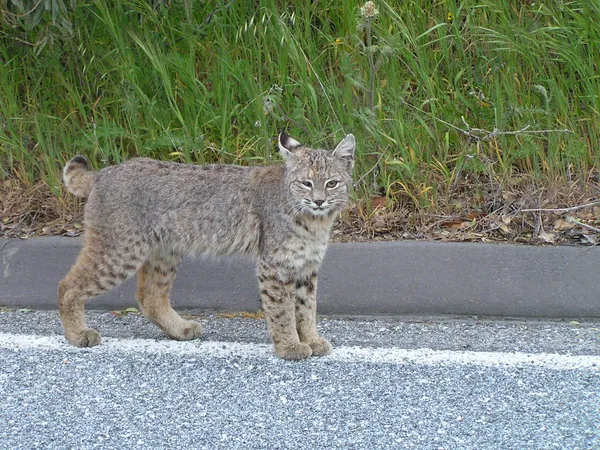
A months-long rehabilitation ends with a return to native habitat
A female bobcat kitten rescued in severely poor condition last fall has been released back into the wild after months of veterinary treatment and conditioning in San Diego County, marking the end of a multi-agency rescue and rehabilitation effort.
The kitten was found on October 14, 2025, by a gardener in bushes in San Clemente. She was taken for emergency care in Orange County after arriving unresponsive and requiring cardiopulmonary resuscitation. As part of the stabilization process, she received a blood transfusion from a domestic cat before being transferred on October 18, 2025, by California wildlife authorities to a specialized rehabilitation facility in Ramona.
Medical triage focused on survival threats common in debilitated wild juveniles
Veterinary staff described the bobcat’s initial condition as critical, with anemia, mange, heavy parasite burden and extreme malnutrition cited among the primary concerns. Those problems can compound quickly in young wild felids: mange and parasites can drive weakness and hair loss, while malnutrition and anemia can reduce resilience against infection and limit normal growth and thermoregulation.
Rehabilitation care included antiparasitic medications, fluids and iron supplementation. The approach combined clinical treatment with careful monitoring intended to restore the animal’s strength while limiting human habituation—an essential requirement for a predator expected to survive independently.
Rehabilitation design emphasized physical recovery and wild behavior
During her stay in Ramona, the kitten was housed in an outdoor enclosure intended to replicate natural conditions. The goal was twofold: allow recovery of a full coat and rebuild muscle mass, while also supporting the development of species-typical behaviors needed after release.
The release took place on Sunday, February 22, 2026, in the kitten’s native habitat, following veterinary clearance and assessment that she had regained sufficient health and capacity to return to a wild setting.
What the case shows about wildlife response in Southern California
The rescue highlights a response chain that often determines outcomes for injured or orphaned wildlife: rapid discovery by the public, immediate stabilization by veterinary clinicians, transfer authority and permitting through state wildlife officials, and longer-term rehabilitation by facilities equipped for native predators.
- The kitten was discovered October 14, 2025, and required emergency resuscitation.
- She received a domestic-cat blood transfusion before transfer on October 18, 2025.
- Care addressed anemia, mange, parasites and malnutrition using medical treatment and supportive therapy.
- She was released February 22, 2026, after regaining strength and coat condition in an outdoor enclosure.
The overarching benchmark for release in cases like this is that the animal can feed, move and behave as a wild bobcat without ongoing medical support—while retaining appropriate avoidance of people.
Bobcats are a native predator in Southern California, and rehabilitation programs typically treat a high volume of wild patients each year. This case ended with a full release, reflecting both the kitten’s recovery and the capacity of specialized facilities to manage intensive, long-duration care for wild carnivores.