Rep. Juan Vargas and San Diego lawmakers say ICE blocked oversight visit at Otay Mesa detention site
San Diego delegation reports being turned away during attempted inspection
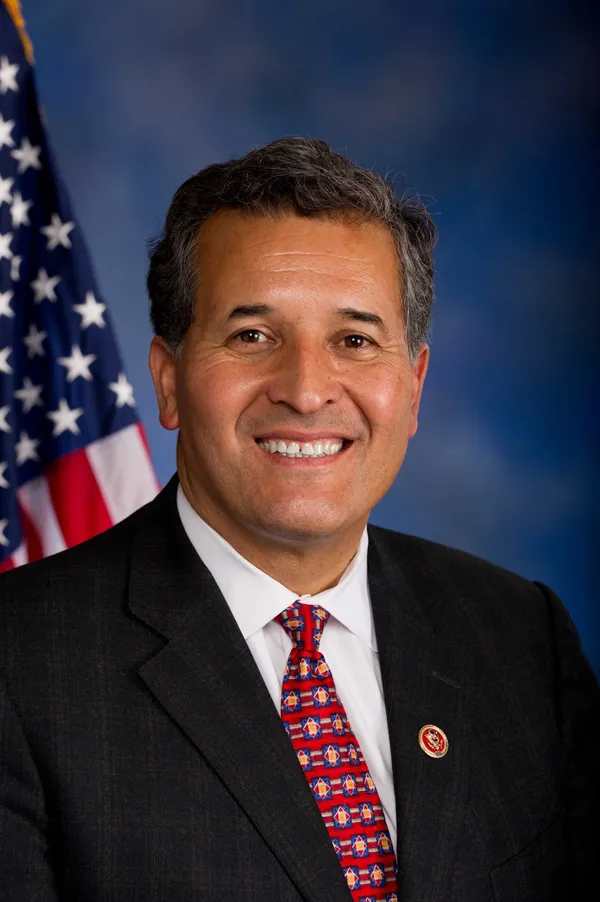
U.S. Rep. Juan Vargas said federal officials denied him access to the Otay Mesa-area immigration detention system during an attempted congressional oversight visit, escalating a dispute over lawmakers’ ability to inspect Department of Homeland Security detention operations without prior authorization.
The blocked visit involved Vargas and other members of the San Diego congressional delegation seeking to enter detention facilities connected to immigration enforcement in the region. In public statements and correspondence with federal leadership, the lawmakers described repeated efforts to inspect holding areas and obtain basic operational information, including how many people were being detained and for how long.
Focus on a downtown “staging” area and transfers to long-term detention
The oversight push followed reports that people taken into custody during routine immigration check-ins were being held for extended periods in a basement facility at the Edward J. Schwartz Federal Courthouse in downtown San Diego. Lawmakers said they attempted to access that basement area as part of oversight and were refused entry. They also raised concerns that the courthouse basement space is not designed for longer stays, contrasting it with long-term detention facilities such as the Otay Mesa Detention Center.
Federal officials have stated in prior public responses that detainees may be moved from short-term holding areas to long-term detention for safety and capacity reasons. In at least one instance described publicly, a DHS spokesperson said the basement staging area was empty when members of Congress attempted to inspect it because individuals had been transferred elsewhere, and later said additional detainees were returned to the staging facility.
Dispute over what the law requires and what agencies are applying in practice
At the center of the conflict is a legal and procedural disagreement: lawmakers argue federal law grants members of Congress the right to enter DHS detention facilities for oversight without needing advance permission. They point to statutory language that limits DHS’s ability to prevent entry and sets parameters for notice requirements, particularly distinguishing between members of Congress and staff visits.
In practice, the San Diego delegation says they were told they needed advance approval and, in some cases, multiple days’ notice to enter. The delegation has characterized the denials as part of a broader pattern of delayed responses and shifting requirements for congressional visits.
National backdrop: tighter DHS visitation protocols and similar incidents
The San Diego dispute has unfolded amid national scrutiny of updated DHS guidance governing congressional access to immigration detention sites. The guidance has been widely reported to include longer notice expectations for members of Congress and provisions allowing visits to be denied, postponed, or rescheduled under certain circumstances.
Similar conflicts have been reported in other states in 2025, including cases where Democratic lawmakers said they were denied entry during attempted oversight visits, prompting formal complaints and legal challenges over whether the new protocols align with federal oversight law.
What the delegation is seeking now
- Access for members of Congress to inspect detention and holding areas in the San Diego region.
- Clear, consistent rules for scheduling and conducting oversight visits.
- Operational information about detainee numbers, length of stays in short-term facilities, and transfer practices.
The delegation has said it intends to continue pursuing access and seeking written responses from DHS and ICE leadership regarding the denials.
The agencies involved have publicly cited operational and safety considerations in prior statements, while lawmakers maintain that oversight access is required to verify conditions and compliance with detention standards.