Rattlesnake sightings rise sharply at Mission Trails as early heat increases encounters across San Diego County
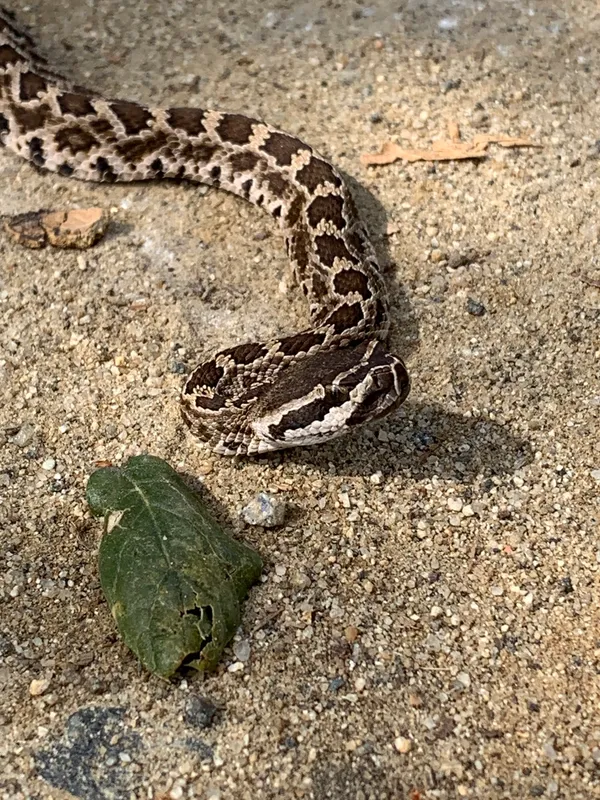
Early-season warming coincides with more snake activity on popular trails
Rattlesnake encounters at Mission Trails Regional Park have climbed markedly as San Diego County moves through an unusually warm, dry late-winter and early-spring stretch, pushing reptile activity earlier into the calendar. Local wildlife handlers and park-focused safety guidance describe a pattern consistent with warmer periods: snakes become more visible as they move to regulate body temperature, cross trails, and seek cover near rocks, brush and the edges of paths.
County-issued safety materials note that snakes can be seen year-round in Southern California, but that sightings commonly peak in spring, particularly in April through June. Those same materials emphasize that rattlesnakes play an ecological role by preying on small mammals such as rodents, and that in county park settings they are treated as protected wildlife and typically relocated by rangers when they appear in high-use areas.
What hikers are reporting at Mission Trails
Mission Trails, one of the region’s busiest open-space destinations, concentrates foot traffic, dogs, runners and cyclists into corridors that also function as wildlife movement routes. As temperatures rise, snakes may be encountered on open, sunlit sections of trail, along trail margins where cover is close, and on heat-retaining surfaces later in the day.
Public safety messaging around local rattlesnakes underscores that bites are most often associated with surprise contact—such as stepping near a well-camouflaged snake, reaching into brush or rock crevices, or allowing pets to investigate off-trail. The same guidance highlights that rattlesnakes generally avoid confrontation and typically strike only when threatened or cornered.
Risk reduction steps emphasized by local guidance
- Stay on designated trails, especially in brushy areas.
- Watch where hands and feet are placed; avoid stepping over rocks or logs without checking the far side.
- Use a flashlight at dusk or night, when visibility drops and snakes may still be active.
- Keep dogs close and under control; pets are at heightened risk because they explore trail edges and vegetation.
- If a snake is on a path or in a picnic area, create distance and allow it an escape route; notify park staff when appropriate.
Key first-aid points in county guidance include keeping the victim calm, gently washing the area, and getting to emergency care promptly. It also warns against tourniquets, cutting the wound, attempting to suction venom, applying electric shock, or packing the bite in ice.
What to expect as spring progresses
If warm conditions persist, park users should anticipate continued encounters through spring, when rattlesnake activity commonly increases. Officials’ long-standing advice remains consistent: treat sightings as a predictable part of the local ecosystem, prioritize space and visibility on trails, and seek professional help for removal only when snakes appear in areas where people and pets cannot avoid close contact.