Padres’ Petco Park concession charity fraud case expands scrutiny of volunteer staffing and oversight controls
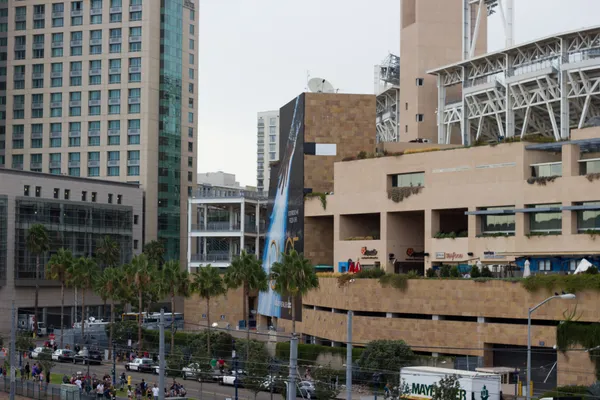
A long-running concessions arrangement became the focus of a federal fraud case
Two men linked to a concessions “charity” operation at Petco Park have pleaded guilty to participating in a wire fraud conspiracy tied to a group that presented itself as a softball nonprofit while obtaining access to stadium concession work. Court filings describe the operation as a scheme that generated roughly $3.75 million and relied on representing workers as volunteers affiliated with a charitable mission.
The arrangement at the center of the case used a common stadium model: nonprofits staff concession stands and retain a share of revenue intended to support community programs. In this instance, the purported organization, operating under the name Chula Vista Fast Pitch, was treated as a charity partner even though investigators concluded it did not exist as described. The men admitted the group was used to place workers at concession stands and capture revenue that would normally be directed to legitimate charitable purposes.
How the proceeds were generated and distributed
In the plea agreements, the defendants acknowledged paying workers cash “under the table” at a flat rate per game while keeping the remaining proceeds for themselves. Investigators found the concessions operator at Petco Park paid out approximately $3.5 million to the pair between 2016 and 2023. A similar arrangement at Snapdragon Stadium led to payments of roughly $260,000 between 2022 and 2023.
Prosecutors also described additional criminal conduct tied to the operation, including false tax returns and Social Security fraud. One defendant admitted failing to report substantial income for a single tax year and separately pleaded guilty to Social Security fraud connected to disability payments.
- The scheme depended on access to a venue program that routes a percentage of concession revenue to nonprofits staffing stands.
- Instead of volunteers, workers were paid cash, and proceeds were split by the organizers, per admissions in court documents.
- Investigators traced payments across multiple venues and years, highlighting how the model can be exploited if verification fails.
Questions raised about due diligence and controls
The case has intensified attention on how venues and concessions contractors vet nonprofit partners, validate charitable status, and confirm how funds are used after events. The program’s design requires confidence that the entity staffing a stand is legitimate, properly registered, and able to document that revenue supports an actual mission. When those safeguards break down, the venue model can become a channel for wage violations, tax issues, and misdirected funds.
Petco Park ticketing policies already emphasize fraud prevention in other areas of fan experience. The Padres have moved to mobile-only entry and state that print-at-home tickets are not accepted, citing security and reduced risk of ticket fraud. While separate from concessions, the approach reflects a broader trend of tightening controls where high-volume transactions create opportunities for abuse.
The guilty pleas establish a factual record: a nonprofit-labeled concessions operation produced millions in payouts while functioning as a fraud scheme.
What happens next
Wire fraud conspiracy carries a potential sentence of up to 20 years in federal court, though actual sentences depend on sentencing guidelines and judicial findings. The admissions in the plea agreements also leave open the question of whether additional compliance changes—such as enhanced nonprofit verification, auditing requirements, or revised contracting terms—will be adopted by venue operators and their concessions partners in response to the case.
For fans, the developments underscore how the behind-the-scenes structure of game-day concessions can intersect with broader accountability issues, from labor practices to financial oversight, even when the public-facing experience appears routine.