Oregon State’s defensive finish, free-throw volume lift Beavers past San Diego to protect WCC lead
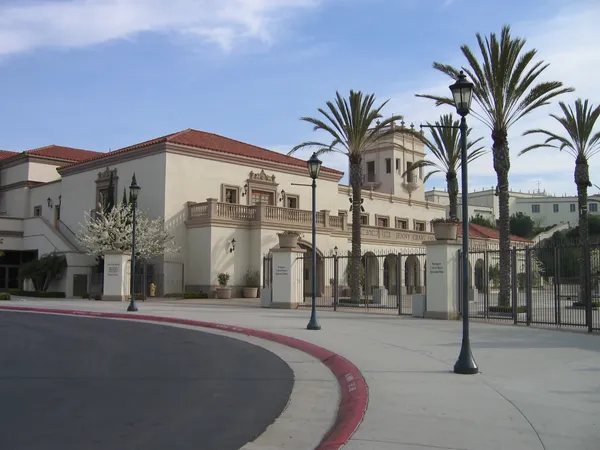
Beavers leave San Diego with a road win and conference positioning intact
Oregon State used a decisive second-half surge to defeat San Diego 83-73 at Jenny Craig Pavilion on Feb. 22, 2025, a result that kept the Beavers in the West Coast Conference race near the top of the standings as the regular season tightened. The game swung on a combination of rebounding control, repeated trips to the free-throw line and a defensive finish that limited San Diego’s scoring after halftime.
San Diego carried a 40-37 lead into the break after an efficient opening half that included strong perimeter shooting. The Toreros finished the game with more made field goals (28) and more made three-pointers (8) than Oregon State (22 field goals, 5 threes), but those edges were offset by Oregon State’s advantages in possession and scoring chances.
Free throws and rebounds defined the second half
Oregon State attempted 42 free throws and made 34, compared with 11 attempts and nine makes for San Diego. The Beavers also won the rebounding battle 41-28, including 15 offensive rebounds that created additional possessions. In a game that featured nine lead changes and six ties, those margins proved central as Oregon State built separation in the final 20 minutes.
- Oregon State: 34-of-42 at the line; 41 rebounds
- San Diego: 9-of-11 at the line; 28 rebounds
- Final score: Oregon State 83, San Diego 73
Rataj’s production powered Oregon State’s scoring
Forward Michael Rataj led Oregon State with 29 points and 10 rebounds, providing steady offense across both halves. Oregon State reached the 20-win mark with the victory, a milestone the program had not achieved in the regular season since 1989-90.
San Diego graduate guard Kody Clouet scored 19 points to lead the Toreros. Joey Chammaa added 11 points, and Tony Duckett scored 10 while also serving as a playmaker. San Diego’s ball movement remained a factor—its assist total outpaced Oregon State’s—but the gap at the foul line and on the glass narrowed the impact of that efficiency.
San Diego generated points with shooting and ball movement, but Oregon State’s extra possessions and frequent free throws shifted the math.
What the result showed
The matchup illustrated a common late-season dynamic: teams can withstand an opponent’s efficient shooting when they consistently win the rebounding battle and create high-volume scoring at the line. For Oregon State, that formula produced a road win and preserved conference positioning. For San Diego, the loss underscored how thin the margins become when shot-making is not matched by comparable advantages in free throws and second-chance opportunities.