Ocean Beach Dog Beach water closed after sewage spill triggers contact ban near San Diego River mouth
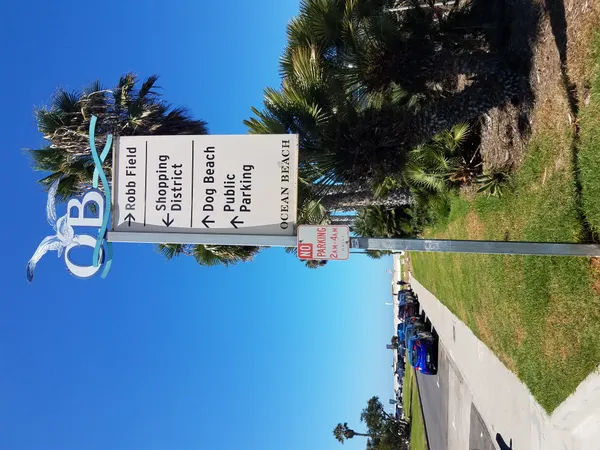
Closure affects the surf zone where the San Diego River meets the Pacific
Ocean waters at Ocean Beach’s Dog Beach were placed under a water-contact closure after a sewage spill contaminated the area near the mouth of the San Diego River. The action bars swimming, surfing and other activities that involve contact with ocean water in the affected zone while public health officials track conditions and verify that bacterial indicators have returned to acceptable levels.
In San Diego County, a closure is reserved for confirmed sewage or chemical spills that reach ocean or bay waters. It differs from an advisory, which is used when sampling shows elevated bacteria that may exceed health standards but is not tied to a confirmed sewage discharge. Under a closure, the county directs the public to avoid water contact because contaminated water may contain human pathogens that can cause illness.
How beaches are managed after spills and contamination
San Diego County’s Beach and Bay Monitoring Program relies on routine sampling and field observations, with enhanced attention at locations influenced by runoff channels, rivers and lagoon outlets. Dog Beach sits at one of those high-variability interfaces: a popular recreation area adjacent to an outlet that can deliver bacteria-laden flows after storms, infrastructure failures or upstream releases.
County monitoring uses bacterial indicators—such as enterococcus, measured through culture-based methods and molecular testing—to estimate the likelihood that pathogens are present. Elevated indicators can originate from multiple sources, including sewage, stormwater runoff, wildlife and domestic animals. When contamination is linked to a sewage spill, a closure remains in place until monitoring and conditions support reopening.
What health officials warn about—and who is most at risk
Sewage-contaminated water can carry disease-causing organisms associated with gastrointestinal, respiratory and skin infections. Illness risk increases for young children, older adults, people with weakened immune systems, and anyone with open cuts. Pets can also be exposed through swimming or ingesting water, and owners may face secondary exposure during rinsing and cleanup.
Officials recommend staying out of the water in the closure area and preventing dogs from entering the surf or river mouth until the closure is lifted. For beach users who may have had contact before the closure was posted, typical guidance includes rinsing with clean water, washing hands before eating, and monitoring for symptoms that develop after exposure.
Context: closures are part of a broader regional water-quality challenge
Beach closures and advisories have become a recurring feature of coastal life in San Diego County, driven by episodic sewage spills, chronic bacteria exceedances near outlets, and persistent contamination in parts of the South Bay associated with cross-border flows. County reporting and public postings reflect that conditions can change quickly with tides, currents and upstream inputs—especially near river and storm-drain discharges.
- Water-contact closure: used when a sewage or chemical spill impacts ocean or bay waters.
- Advisory: used when samples exceed health standards or when conditions indicate a heightened risk of bacteria.
- General rain advisory: recommends avoiding ocean and bay waters for 72 hours after rainfall ends.
Until the closure is lifted, the safe option for visitors is to treat the affected stretch as off-limits for any activity involving ocean-water contact.
County beach status updates are issued as sampling results and field observations determine when it is safe to reopen the water for contact recreation.