Newsom in San Diego contrasts California fentanyl seizures with criticism of Trump immigration enforcement operations
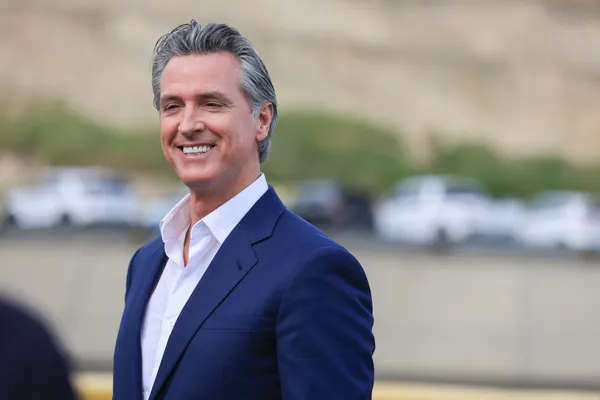
San Diego event highlights state border seizures and a widening dispute over federal enforcement tactics
Gov. Gavin Newsom used a San Diego press conference on Monday, Feb. 2, 2026, to highlight California’s multi-agency fentanyl interdiction results and to criticize the Trump administration’s approach to immigration enforcement, including what he described as violent and destabilizing operations.
The appearance centered on a public safety milestone tied to California’s border-focused counterdrug strategy launched in 2021. State officials said the effort relies heavily on the California National Guard working within task-force structures at ports of entry and along trafficking corridors, alongside other law enforcement partners.
What state officials said was seized
Newsom’s office said counterdrug operations supported by the California National Guard have resulted in the seizure of 34,357 pounds of fentanyl since 2021, including more than 50 million pills, with an estimated street value of more than $506 million. The governor framed those outcomes as evidence of an enforcement model built around coordination, intelligence-driven operations and sustained resourcing.
The governor also pointed to expanded deployments of California Highway Patrol crime suppression teams in several regions, including San Diego County. State officials said the statewide initiative has produced thousands of arrests, recoveries of stolen vehicles and seizures of illegal firearms; in the San Diego region, they reported dozens of operations since 2025 with hundreds of arrests and drug seizures.
- Counterdrug task force seizures cited by the state: 34,357 pounds of fentanyl since 2021
- Reported pill count: more than 50 million fentanyl pills
- Estimated street value cited by the state: more than $506 million
Federal-state conflict over National Guard control and immigration raids
At the same event, Newsom contrasted California’s drug enforcement approach with federal actions he said have fueled unrest. He criticized a prior federal deployment of National Guard troops to Los Angeles during protests tied to immigration raids, arguing the move reduced available capacity for tasks such as drug interdiction and wildfire support.
Newsom described the state’s goal as focusing on public safety while avoiding actions that, in his view, create fear and community disruption.
He also referenced immigration enforcement activity affecting San Diego, including arrests involving restaurant workers in 2025, and said the state is pursuing litigation challenging aspects of the administration’s deportation and enforcement campaign. Newsom said California is also directing funding to community organizations providing legal services and related support for people affected by raids.
Broader agenda raised at the press conference
Newsom’s remarks ranged beyond fentanyl to include wildfire recovery funding sought for Los Angeles and opposition to renewed offshore oil drilling proposals. He also called for changes to immigration and asylum policy that address long-time residents without legal status, mixed-status families and workforce needs, while arguing that current enforcement tactics have overshadowed structural reform debates.
The San Diego appearance underscored how California’s public safety messaging—centered on fentanyl seizures and targeted policing—has become intertwined with a broader confrontation over federal immigration enforcement strategy and the use of military and law-enforcement resources inside the state.