New report proposes five-pillar, binational plan to reduce Tijuana River sewage and industrial pollution
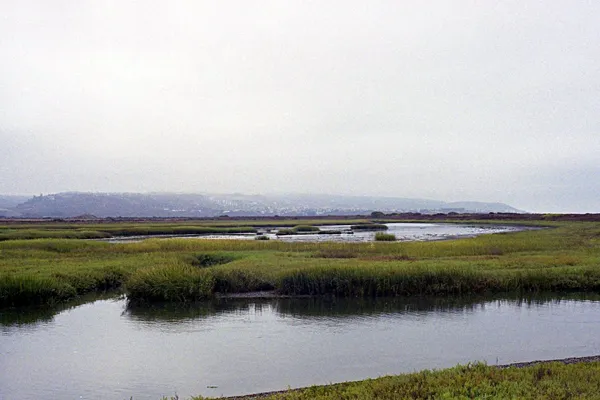
A long-running cross-border contamination problem
Chronic transboundary flows in the Tijuana River have repeatedly carried untreated wastewater, stormwater and industrial pollution into the Tijuana River Valley and along the South Bay coastline, contributing to beach closures and public health concerns in border communities. While the problem intensifies during wet-weather events, the region has also documented persistent, dry-weather flows driven by aging and overloaded sewer infrastructure, pump station failures and gaps in wastewater conveyance and treatment capacity.
A five-pillar framework focused on infrastructure, governance and enforcement
A newly released report, titled “Tijuana River Contamination Crisis: A Five-Pillar Framework for Binational Solutions,” sets out a multi-step approach intended to align U.S. and Mexican investments, accelerate near-term mitigation, and lock in long-term operational commitments. The framework centers on five broad pillars:
Build and upgrade wastewater collection and treatment infrastructure to prevent failures and reduce untreated discharges.
Capture and manage stormwater and contaminated runoff, particularly during peak wet-weather flows.
Address industrial pollution through monitoring, permitting, source identification and enforcement aimed at toxic discharges.
Strengthen binational coordination and accountability through formal agreements, defined milestones and transparent reporting.
Support community health and environmental recovery in affected areas, including the river valley and nearshore coastal zones.
Linking recommendations to existing binational commitments
The report emphasizes that durable progress depends on executing already-negotiated binational projects and timelines developed through the International Boundary and Water Commission process, including infrastructure packages designed to reduce cross-border flows. It also points to the need for sustained funding and clear performance metrics so that projects deliver measurable reductions in sewage and chemical contamination rather than short-lived, crisis-driven improvements.
Current status: treatment capacity expansion and a pipeline of projects
On the U.S. side, the South Bay International Wastewater Treatment Plant has undergone a 10-million-gallons-per-day interim expansion that has been presented by federal agencies as a significant milestone toward a comprehensive solution. Binational plans have also included rehabilitation of critical collection infrastructure in Tijuana and targeted projects intended to divert and reuse treated effluent, alongside additional works scheduled to begin construction during 2026 and 2027.
Key implementation challenges
Even with a defined project list, the report underscores several obstacles that have historically slowed progress: permitting and construction timelines, operational reliability of pump stations and conveyance lines, coordination across multiple agencies in two countries, and enforcement capacity for industrial discharges. The framework argues that without consistent governance and accountability mechanisms, infrastructure gains can be offset by recurring failures and growth-driven demand in the watershed.
The report frames the solution as a sequence of coordinated steps—near-term measures to reduce immediate exposure, paired with long-term upgrades and enforceable binational commitments aimed at preventing future transboundary pollution.
The report’s central proposition is that a sustained, multi-pillar approach—combining infrastructure delivery, regulatory follow-through and binational accountability—offers a pathway to reduce sewage and chemical pollution reaching San Diego County from the Tijuana River watershed.