Motorcyclist dies after collision on Balboa Avenue in Kearny Mesa, prompting renewed safety scrutiny
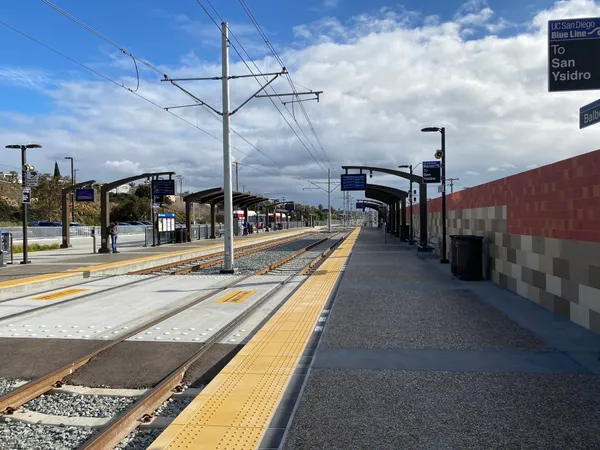
Fatal crash reported on a major Kearny Mesa corridor
A motorcyclist was killed in a collision on Balboa Avenue in San Diego’s Kearny Mesa area, a stretch that serves as a key connector between business districts, freeway access points and residential neighborhoods. The crash led to an on-scene investigation and traffic disruptions as officers worked to document evidence and clear the roadway.
Authorities have not publicly released the victim’s identity in initial reporting on the incident, and details such as the precise time of the collision, the vehicles involved, and whether impairment or speed were suspected were still subject to investigation at the time the case became public.
What investigators typically need to confirm in motorcycle fatal collisions
In fatal traffic cases involving motorcycles, investigators generally focus on reconstructing the sequence of movements leading to impact. That work can include measuring skid marks, photographing vehicle damage and roadway conditions, reviewing traffic-signal timing when relevant, and seeking video from nearby businesses or vehicles equipped with cameras.
Determining right-of-way is often central when collisions occur at intersections or driveways along Balboa Avenue, where turning movements, lane changes, and merging traffic can create complex conflict points. In some prior Kearny Mesa-area motorcycle crashes, investigators have cited signal compliance as a key factor, illustrating how quickly a minor timing difference can become catastrophic when a motorcycle is involved.
Why motorcycle collisions are frequently severe
Motorcyclists have far less physical protection than occupants of passenger vehicles. Even when riders wear helmets and protective gear, the combination of direct impact forces and secondary impacts with the pavement can produce fatal injuries. Emergency responders may be able to provide life-saving care in some cases, but survivability depends heavily on speed, angle of impact, and immediate medical factors.
Community impact and what comes next
Fatal crashes typically trigger a multi-step administrative and investigative process. That can include notification of next of kin, medical examiner documentation, and follow-up interviews with witnesses and involved drivers. If investigators find evidence of criminal conduct—such as impaired driving, reckless driving, or a hit-and-run—cases may be referred for prosecution. When no criminal conduct is identified, cases may still lead to citations or be documented as traffic-collision findings without charges.
- Investigators may seek witnesses who were driving on Balboa Avenue at the time of the collision.
- Video evidence, if available, can be critical to confirming the sequence of events.
- Roadway closures or lane restrictions may be used to preserve evidence during reconstruction.
Anyone who witnessed the collision or has relevant video may be asked by investigators to come forward as the case develops.
The investigation remains the central source of answers about how and why the collision occurred, including whether roadway design, driver behavior, or other conditions contributed to the fatal outcome.