Magnitude 4.9 earthquake near Indio and Palm Desert sends light shaking into San Diego County
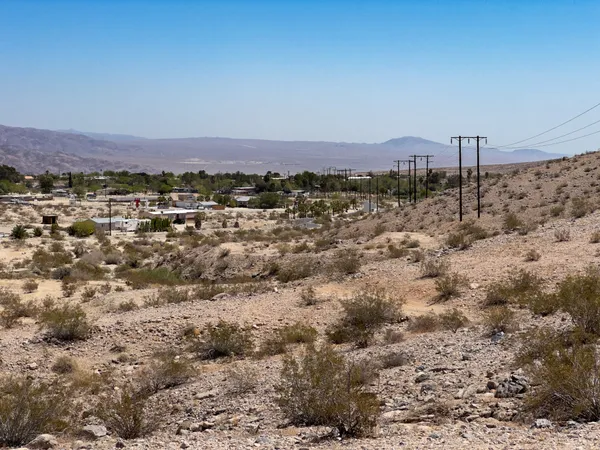
Earthquake centered in the Coachella Valley area
A magnitude 4.9 earthquake struck Southern California on Monday, January 19, 2026, at 5:56 p.m. PST, with the epicenter located about 12 miles north-northeast of Indio in Riverside County. The quake occurred at a shallow depth of roughly 3 kilometers (about 2 miles), a factor that can increase the likelihood of noticeable shaking near the epicenter even for moderate events.
Residents in parts of San Diego County reported brief shaking, consistent with how seismic waves from inland Riverside County events can be felt across a broad region of Southern California. Shaking reports were also logged across the Coachella Valley, including areas near Palm Desert and Palm Springs.
Aftershocks followed within minutes
Seismic monitoring identified additional smaller earthquakes in the minutes after the initial shock, a pattern typical after a moderate event. Early information indicated a cluster of aftershocks, including at least one in the low-to-mid magnitude 3 range. Seismologists typically caution that aftershocks can continue for hours to days, although most are smaller than the mainshock.
Early checks found no immediate major damage reports
In the hours following the earthquake, local public safety agencies in the Coachella Valley area reported receiving calls related to shaking but did not announce widespread structural damage or injuries. Such initial assessments can evolve as inspections continue, particularly for older buildings, hillside areas, and infrastructure sensitive to ground motion.
Why the event was felt across the region
San Diego County frequently feels earthquakes originating in Riverside and San Bernardino counties because seismic energy can travel efficiently through Southern California’s crust. A shallow hypocenter can further increase the perception of shaking near the source, while broader regional reports often reflect light motion that may rattle windows, sway hanging objects, or be noticed by people indoors.
What to do during shaking and after it stops
Emergency management guidance emphasizes simple, immediate actions that reduce injury risk during most earthquakes.
- If indoors: drop to hands and knees, take cover under a sturdy desk or table if available, and hold on until shaking stops.
- Stay away from windows and unsecured furniture that could tip or fall.
- Afterward: expect aftershocks; check for injuries; and look for hazards such as gas leaks, damaged electrical wiring, and fallen objects.
In Southern California, a single moderate quake can be widely felt even when damage is limited, particularly when the shaking is shallow and the region is densely populated.
Monitoring continued Tuesday as earthquake data and public reports were compiled and reviewed by seismologists.