How San Diego County residents can protect pets and people during extreme heat and heat illness
Heat safety is a shared risk for people and animals
Extreme heat can become a fast-moving public safety issue in San Diego County, particularly inland where temperatures routinely climb higher than coastal neighborhoods. Health officials and animal welfare agencies emphasize that the same conditions that raise the risk of dehydration and heat illness in people can also trigger life-threatening overheating in pets, who cool themselves less efficiently than humans.
Risk increases for older adults, people with chronic medical conditions, and those without reliable air conditioning. For animals, vulnerability is higher for senior pets, very young animals, flat-faced breeds, and pets with heart or respiratory disease. Heat-related emergencies can develop quickly during midday hours, especially when exercise is added to high temperatures.
Practical steps to reduce heat exposure at home and outdoors
Shift activity to cooler hours. Schedule walks and outdoor play for early morning or evening rather than the hottest part of the day.
Prevent burns from hot surfaces. Pavement and asphalt can heat well above air temperature, raising the risk of paw-pad burns; if a surface is too hot to hold a hand on briefly, it can be too hot for pets.
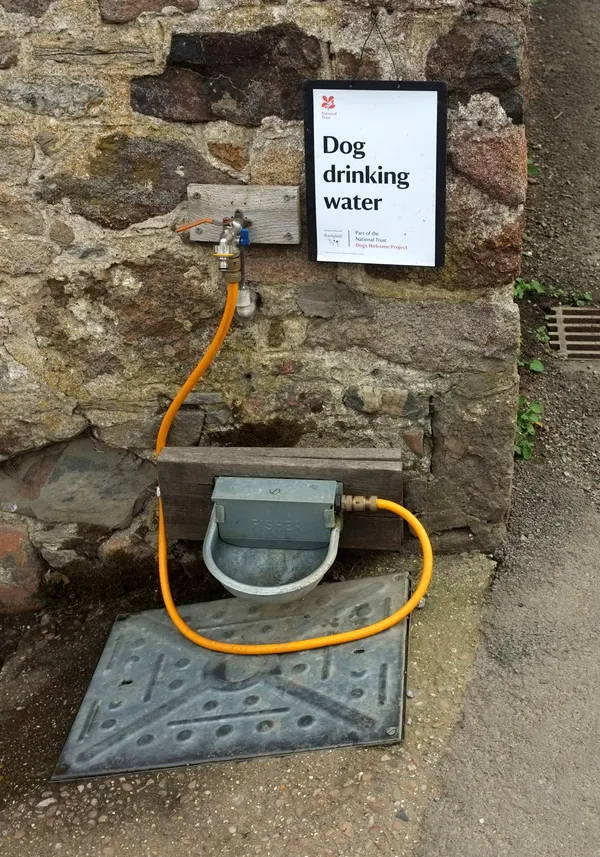
Hydration and shade are essentials. Ensure continuous access to clean water for both people and animals, and use shaded or indoor areas to reduce direct sun exposure.
Use cooling tools correctly. Fans can improve comfort, but air-conditioned spaces provide the most reliable cooling during peak heat.
Never leave pets in cars — and what to do if you see it
A parked vehicle can become dangerously hot in a short period of time, even when outdoor temperatures feel tolerable. Leaving an animal unattended in a vehicle under conditions that endanger its health is prohibited under California law. San Diego County animal services and local law enforcement agencies respond to calls involving pets trapped in hot cars and other heat-related neglect complaints.
If a pet appears distressed inside a vehicle, residents are urged to contact authorities immediately and stay nearby until help arrives. California also provides legal protections in specific circumstances for people who take defined steps to rescue an animal from a vehicle when the animal is in imminent danger, but emergency responders remain the safest and most direct option.
Recognize heat illness early in people and pets
For people, warning signs of heat exhaustion can include heavy sweating, weakness, dizziness, headache, nausea, and a rising body temperature. Heat stroke is a medical emergency and may include confusion, loss of consciousness, seizures, hot red skin or hot dry skin, and a rapid pulse. Anyone with severe symptoms should receive immediate medical attention.
In pets, red flags can include heavy panting, lethargy, vomiting, collapse, or disorientation. Veterinarians warn that heat stroke can escalate rapidly; cooling the animal and seeking urgent veterinary care can be time-critical.
Where to cool down in San Diego County
During hot periods, San Diego County and many cities operate networks of free, air-conditioned “Cool Zones,” commonly located in libraries and community facilities. The City of San Diego also designates public buildings, including all public library branches during open hours, as places to cool down. For residents without transportation—especially older adults, people with disabilities, or those who are homebound—2-1-1 can connect callers to available no-cost transportation or rideshare assistance in some jurisdictions.
Key planning tip: Before traveling to any cooling location, confirm hours of operation and whether pets are permitted inside the facility.