How pop-up medical teams are reshaping on-street health care for people experiencing homelessness in San Diego
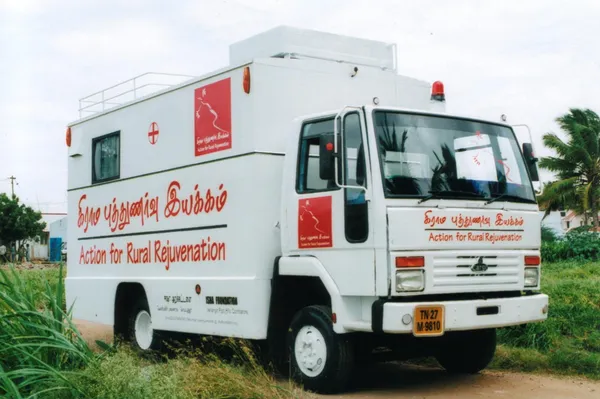
Mobile, field-based care expands beyond traditional clinics
Across San Diego, health providers and public agencies have increasingly relied on pop-up, street-based medical teams to reach people experiencing homelessness in the places they sleep and congregate. The model, widely referred to as “street medicine,” is designed to reduce barriers that often prevent unsheltered residents from accessing routine care—such as lack of transportation, missed appointments, limited phone access, and mistrust of institutional settings.
Unlike scheduled clinic visits, pop-up teams operate in encampments, along sidewalks, and in other outdoor locations, providing immediate assessment and basic treatment while creating pathways into longer-term primary care and social services.
What services pop-up teams typically provide
Street medicine teams in the San Diego region commonly focus on practical, low-threshold care that can be delivered safely outside a clinic environment. Services often include evaluation of acute illnesses, wound care, basic medications, screening and testing, and facilitated referrals into ongoing treatment and benefits enrollment. Some programs also integrate behavioral health support and harm-reduction tools as part of field outreach.
- Basic medical treatment and triage in community settings
- Wound care and follow-up checks to prevent complications
- Testing and referrals for ongoing primary care
- Connections to case management, benefits, shelter, and housing resources
How public outreach and health systems intersect
San Diego’s street-based response is not limited to health providers. City-run outreach frameworks operate alongside nonprofit and health-system efforts, aiming to connect unsheltered residents with shelter, transportation, benefits navigation, and health education. These efforts increasingly overlap with pop-up medical work during focused outreach events in areas with high concentrations of homelessness.
At the county level, multidisciplinary encampment-oriented teams have been structured to combine outreach and case management with public health nursing and licensed mental health clinicians. This approach reflects a broader shift toward delivering care and engagement together, rather than treating health needs as separate from housing and stabilization needs.
Behavioral health crisis response adds another layer
For individuals experiencing a behavioral health crisis, mobile response services operate separately from routine pop-up medical rounds. In San Diego County, mobile crisis response teams can be dispatched to assist with de-escalation and connection to care, with team structures typically including a clinician, case manager, and peer support specialist. These teams are intended to help avoid unnecessary emergency department visits or incarceration when a person’s needs are primarily behavioral health-related.
Pop-up and mobile teams generally aim to meet people where they are, then transition care toward continuity—medical follow-up, benefits stabilization, and, when possible, shelter or housing placement.
Key constraints: staffing, continuity, and system capacity
While pop-up medical teams can close critical access gaps, the model depends on workforce availability and on downstream capacity—clinic appointments, behavioral health services, and housing options—to sustain progress after initial contact. Regional planning has increasingly acknowledged that staffing shortages in behavioral health, in particular, can limit how quickly people can be connected to ongoing treatment.
In practice, the effectiveness of pop-up care often hinges on repetition and relationship-building: returning to the same locations, documenting needs, and maintaining reliable referral routes into the broader health and homelessness-response system.