How a 2020 agreement left seven Otay Mesa rape allegations without sheriff-led criminal investigations in 2025
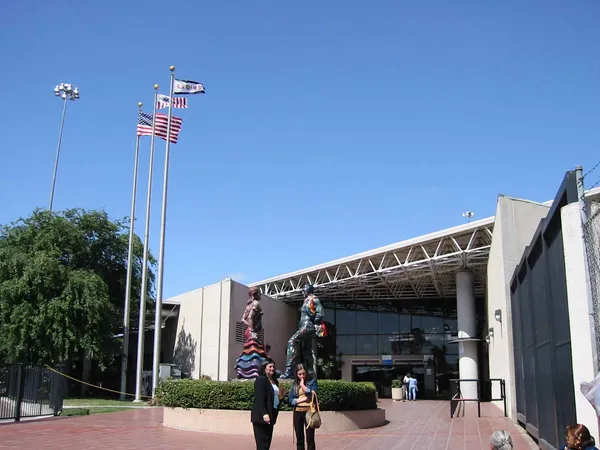
Seven reports, no sheriff investigations recorded
San Diego County Sheriff’s officials did not open criminal investigations into at least seven reported sexual assaults at the Otay Mesa Detention Center during 2025, despite the facility being located in San Diego County and holding federal immigration detainees. Records show the handling of those reports was directed through detention-center administrators rather than sheriff investigators.
The Otay Mesa Detention Center is a privately operated immigration detention facility under federal authority, with day-to-day operations contracted to CoreCivic. The site has been subject to repeated scrutiny in recent years over conditions and oversight access, including disputes involving county public health inspections and broader accountability mechanisms inside privately run detention settings.
The key mechanism: a 2020 memorandum governing sexual-abuse referrals
The central factor is a memorandum of understanding signed in 2020 between the Sheriff’s Department and CoreCivic that establishes a gatekeeping step before sheriff investigators become involved. Under the agreement’s framework, the facility’s warden is positioned to decide whether an allegation has “credible evidence” sufficient to trigger a request for sheriff assistance and a criminal investigation response.
Independent detention-audit documentation describing the arrangement states that the Sheriff’s Department has legal authority to conduct criminal investigations at the facility. At the same time, the memo’s structure allows the facility’s leadership to perform an initial credibility assessment that can determine whether a case is referred for sheriff investigation.
How the process differs from a typical criminal complaint pathway
In most rape investigations outside custodial settings, law enforcement agencies determine investigative steps and evidence collection decisions, including whether to pursue forensic medical exams and interviews. At Otay Mesa, detention policies provide for administrative investigations conducted onsite and describe coordination with outside law enforcement for criminal investigations. The 2020 agreement’s sequencing can shift early control of case triage to facility management.
That distinction matters because early decisions influence whether evidence is preserved, whether complainants are promptly interviewed, and whether external victim-advocacy and forensic pathways are activated in timeframes aligned with standard investigative practice.
Oversight pressures and jurisdictional complexity
The detention center’s mixed governance—federal detention authority, private operation, and local criminal jurisdiction—has repeatedly generated friction over access and transparency. In early 2026, county officials escalated a separate dispute into federal litigation seeking to compel a public health inspection after being denied entry during an attempted visit by county health leadership.
While that legal fight focuses on health and safety oversight rather than criminal investigations, it underscores a recurring issue: local authorities can possess statutory or practical responsibilities connected to the facility, yet face procedural or institutional barriers to direct access.
What the records establish—and what remains unresolved
- At least seven reported sexual assaults at Otay Mesa in 2025 were not investigated by sheriff officials as criminal cases, based on available records.
- A 2020 agreement sets a process in which the facility warden assesses credibility before sheriff investigative involvement is triggered.
- Detention policies describe a parallel track of administrative investigations conducted by facility staff, alongside the potential for law enforcement criminal investigations.
The documentation leaves open critical unresolved questions: how credibility determinations were made in each of the seven reports, what evidence-collection steps occurred under administrative review, and whether any cases were later referred to prosecutors or other investigative bodies after initial screening.
The outcome, reflected in the 2025 record trail, is a system in which rape allegations can be formally reported inside the detention center yet not automatically trigger a sheriff-led criminal investigation.