Four male cheetah cub brothers debut at San Diego Zoo Safari Park after January 24 birth
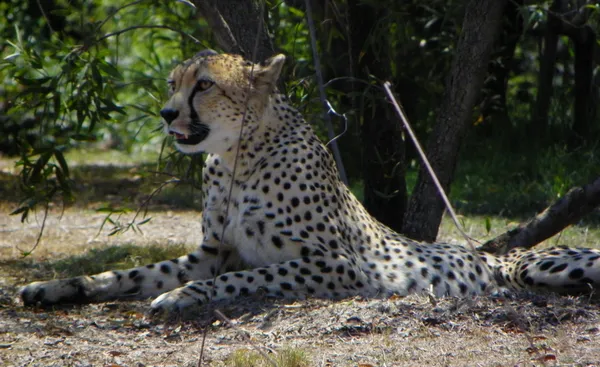
A new cheetah litter arrives at the Safari Park
Four male cheetah cubs were born on Jan. 24, 2026, at the San Diego Zoo Safari Park, marking the facility’s first cheetah litter since 2020. The cubs were born to a mother named Kelechi and spent their earliest weeks in a private, behind-the-scenes setting designed to support maternal bonding and early development.
During this initial period, the cubs remained in a den at the park’s Carnivore Conservation Center, where they began exhibiting typical early-life behaviors—play, climbing, and increasing curiosity—while staying close to their mother.
Why the “four brothers” dynamic matters
Cheetahs are widely described as largely solitary, but male cheetahs can form long-term groups known as coalitions. In the wild, these coalitions often consist of brothers that hunt and travel together. The presence of four male siblings in one litter therefore aligns with a social structure that can persist through adulthood, making their early interactions relevant to long-term management and care.
Male cheetahs can form coalitions—groups that may remain together for life—making sibling groupings an important natural pattern to consider in managed populations.
From private den to public viewing
For the first weeks after birth, Kelechi and her cubs remained out of public view, reflecting a husbandry approach that mirrors how cheetah mothers keep cubs secluded early in life. Keepers observed Kelechi’s attentiveness, including grooming and keeping the cubs close. As the cubs grew, reports described her using chirps to call them back when needed—part of the species’ maternal communication.
After nearly two months, the cubs began emerging from their private den and became viewable for some guests through an on-site Safari Park experience known as Ultimate Safari.
Conservation and genetics in managed cheetah populations
The park has described the litter as significant for cheetah conservation efforts, emphasizing the role that genetically diverse individuals can play in maintaining healthier managed populations over time. In zoo-based conservation programs, births are not only a public milestone but also a tool for sustaining population viability, particularly for species facing pressure in the wild.
- Birth date: Jan. 24, 2026
- Location: San Diego Zoo Safari Park, Carnivore Conservation Center
- Mother: Kelechi
- Litter size and sex: four cubs, all male
- Program note: first cheetah litter at the Safari Park since 2020
The cubs’ next milestones will be shaped by ongoing growth, continued maternal care, and the park’s long-term planning for how the siblings may be managed as they mature.