EPA Administrator Lee Zeldin visits San Diego County as Tijuana River sewage crisis drives binational action
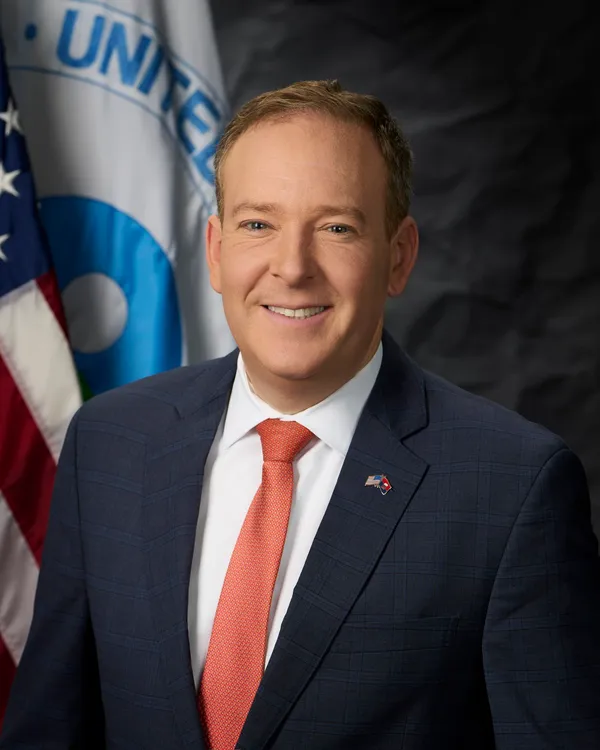
Federal visit centers on border wastewater, public health risks, and timelines for infrastructure upgrades
U.S. Environmental Protection Agency Administrator Lee Zeldin returned to San Diego County in late April 2025 to review conditions linked to the long-running Tijuana River sewage crisis and to press for accelerated cross-border coordination. The problem involves periodic flows of untreated sewage and polluted stormwater from Mexico into the United States, affecting the Tijuana River Valley and coastal areas of the South Bay.
During the trip, Zeldin visited the South Bay International Wastewater Treatment Plant, convened meetings with local and state leaders, and conducted an aerial survey of impacted areas along the border. The itinerary also included engagement with U.S. military stakeholders, reflecting concerns that contamination can intersect with national security operations and training in the region.
What officials say is driving the urgency
The sewage crisis has persisted for decades and is frequently tied to infrastructure constraints and failures in the Tijuana region, where population growth has increased demands on wastewater systems. In San Diego County, the impacts have included recurring beach closures, exposure concerns for residents and workers, and disruptions to outdoor recreation and coastal activity when contamination events occur.
Zeldin’s visit included discussions with Mexico’s environment leadership about a set of near-term actions intended to reduce cross-border flows and to align project schedules between the two countries. The meetings were framed around reaching a comprehensive solution rather than a series of temporary fixes.
Infrastructure measures already underway
Binational efforts to address the issue have been formalized through agreements under the International Boundary and Water Commission framework, including projects intended to reduce both the frequency and volume of transboundary wastewater. One key U.S.-side asset is the South Bay International Wastewater Treatment Plant, located near the border, which treats wastewater that would otherwise reach U.S. waterways and the ocean.
In 2025, federal officials announced completion of a 10-million-gallon-per-day expansion at the South Bay plant, increasing capacity intended to capture and treat more cross-border flows during high-volume periods. Separately, the two countries have outlined investment commitments and project lists meant to deliver phased improvements through the latter half of the decade.
Key elements officials are emphasizing
- Faster project delivery schedules for priority wastewater and diversion infrastructure.
- Clear sequencing of U.S. and Mexico projects so new capacity is matched with upstream controls.
- Regular technical verification of progress and communication updates for affected communities.
The stated objective of current planning is a permanent, comprehensive approach that accounts for future growth, capacity needs, and ongoing maintenance on both sides of the border.
What comes next
Near-term steps following the April 2025 visit focused on converting discussion into defined milestones, including progress tracking and alignment on which projects must be completed first to reduce cross-border discharges. Longer-term outcomes will depend on sustained construction timelines, operational reliability of treatment and diversion systems, and continued coordination among federal agencies, local governments, and Mexican counterparts.
For South Bay communities, the effectiveness of these measures will be evaluated in practical terms: fewer beach advisories and closures, reduced exposure risks, and measurable declines in the frequency and scale of pollution events tied to transboundary wastewater.