Dog Survives Violent Attack at Linda Vista Community Park, Renewing Focus on Leash Enforcement in San Diego
Incident at a busy neighborhood park
A dog survived a violent attack at Linda Vista Community Park, prompting renewed attention to safety practices in shared public spaces where families, walkers and pets regularly mix. The incident underscores how quickly an encounter between animals can escalate, even in daylight and in a familiar setting.
Linda Vista Community Park, a large city park with athletic courts, a recreation center and open gathering areas, draws steady foot traffic and routine dog-walking activity. In that environment, park rules and animal-control enforcement are designed to reduce risk, especially where children and pets are in close proximity.
How dog-attack investigations typically proceed
Within the City of San Diego, animal-related emergencies and bite incidents fall under the San Diego Humane Society’s Humane Law Enforcement services, which operates as the city’s contracted animal services provider. Reports can involve dog-to-human injuries, as well as incidents where an animal injures another animal.
When a reported incident involves a suspected bite or serious injury, standard follow-up can include identifying the animals involved, documenting injuries, locating the owner of the attacking dog when possible, and verifying rabies vaccination status. Depending on the facts, authorities may also assess whether a dog poses an ongoing threat and whether additional restrictions are warranted under local and state rules.
Leash compliance is central to prevention
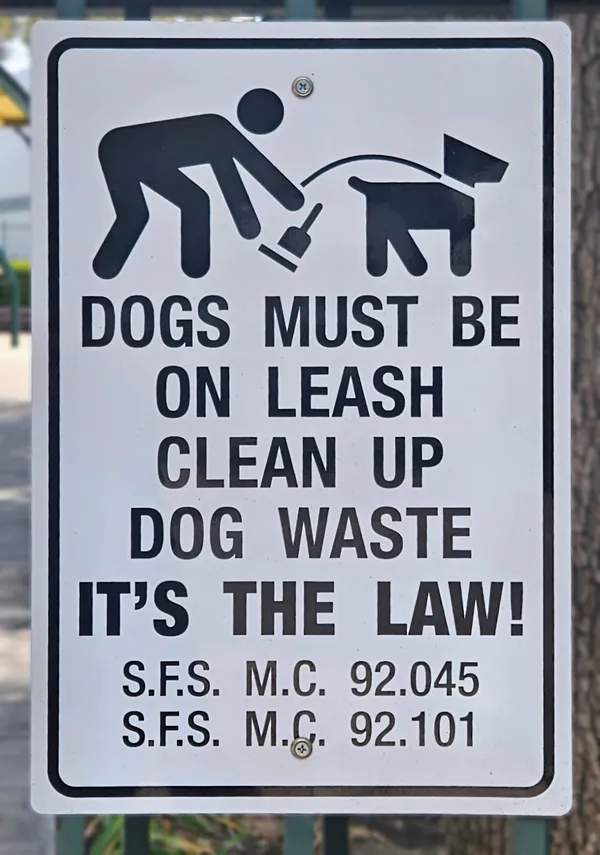
San Diego enforces leash requirements in most public areas, with off-leash activity allowed only in designated spaces. The goal is to prevent unpredictable interactions, including sudden chasing, defensive behavior, or aggression between unfamiliar dogs.
Local reporting systems distinguish between urgent threats and non-emergency concerns. For example, active dangers and cruelty complaints are handled through humane law enforcement dispatch, while some park-related leash issues may be routed through the city’s park reporting channels for follow-up.
What residents can document after an incident
In dog-on-dog attacks, timely documentation can affect both enforcement outcomes and veterinary cost recovery. Residents who witness or experience an incident are typically encouraged to preserve basic information needed for an investigation and potential administrative action.
- Exact location within the park and the time of the incident
- Descriptions of the dogs and any visible tags
- Owner identifying details, if available, and witness contact information
- Photos of injuries and the scene, when safe to take
A broader public-safety issue
The Linda Vista case arrives amid ongoing regional debate about how San Diego County tracks dog-bite and dangerous-dog information across jurisdictions. Public agencies and watchdog bodies have raised concerns in recent years about inconsistent reporting between cities and the need for clearer, more accessible records when an animal has a documented history of aggression.
In practice, preventing the next incident often hinges on quick reporting, clear identification of the dog and owner, and consistent enforcement of leash and control requirements.
For park users, the episode is a reminder that compliance with basic control measures—leashes, supervision and awareness in crowded areas—remains the most direct tool for reducing the chance that an ordinary walk turns into an emergency.