Bluff collapse reported near Del Mar Dog Beach as coastal erosion and rail stabilization projects continue
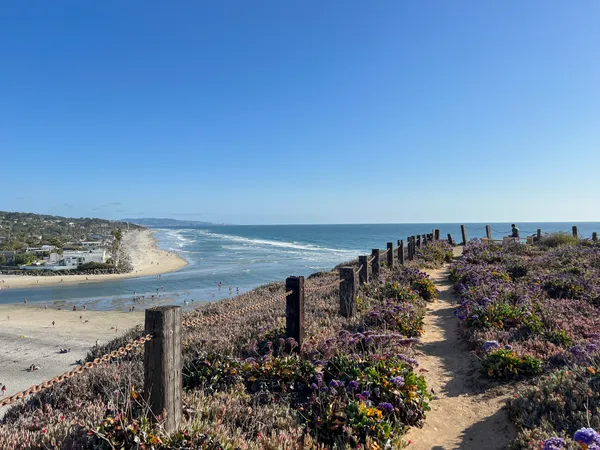
Incident reported on a heavily used stretch of North County coastline
A bluff collapse was reported near Del Mar Dog Beach on Wednesday, March 11, 2026, renewing attention on the instability of San Diego County’s coastal bluffs and the public-safety measures that typically follow such events. The beach area is a high-traffic corridor for walkers and dog owners and lies near sections of coastline that have experienced repeated slope failures over many years.
In similar Del Mar incidents documented in prior years, collapses have sent rocks and soil onto the sand below, prompting temporary closures or roped-off perimeters while authorities verify whether anyone was in the impact zone. Search efforts in past events have included the use of K-9 teams to confirm no victims were buried under debris.
Why bluffs fail: water, waves, and fragile geology
Coastal bluffs in Del Mar and neighboring communities are composed of materials that can weaken as water infiltrates cracks and joints. Periods of heavier rainfall can increase pore-water pressure and add weight to already fractured slopes, raising the likelihood of sudden failure. Wave action and high tides can further undercut the base of bluffs, accelerating collapse risk, particularly where beach width narrows and protective sand buffers are reduced.
Regional research and public-safety reporting over the past decade have repeatedly linked collapse risk to the combined effects of stormwater runoff, episodic wet seasons, and ongoing coastal erosion. These factors can act together, making bluff movement difficult to predict precisely and emphasizing the need for conservative setback behavior by beach users.
Public safety and access: what typically happens after a collapse
When a collapse is reported, standard emergency management steps often include:
- Securing the fall zone on the sand and restricting access beneath unstable sections.
- Assessing whether secondary failures are likely, especially after rain.
- Coordinating with lifeguards and law enforcement to manage pedestrian traffic around debris fields.
- Evaluating nearby infrastructure exposure, including pathways, stair access points, and bluff-top facilities.
Officials commonly remind the public that bluff collapses can occur without warning, including during dry weather, and that sitting or lingering at the base of cliffs increases risk.
Rail corridor pressure: stabilization work continues through mid-decade
The Del Mar coastline also supports a nationally significant rail corridor running along the bluff tops. The area has been the focus of repeated stabilization efforts following past collapses that affected slope integrity near the tracks. Emergency repairs completed after the 2021 collapse included additional support elements, drainage improvements, slope repairs, and bluff-toe protection measures.
Construction and equipment activity on the beach has continued as part of ongoing stabilization phases, with portions of adjacent bluff-top park areas subject to closure during work windows. Rail closures can also occur during scheduled full-corridor work periods to accommodate construction and safety inspections.
Bluff collapses remain a recurring hazard along parts of the San Diego County coastline, particularly during and after wet-weather periods when ground conditions can deteriorate rapidly.
As assessments proceed near Del Mar Dog Beach, the central questions for agencies typically include whether additional slope movement is imminent, how long beach restrictions will remain in place, and whether nearby access routes require further protective measures.