Birch Aquarium’s first parent-reared little blue penguin chick highlights a new phase in colony management
A first for on-exhibit breeding at the La Jolla facility
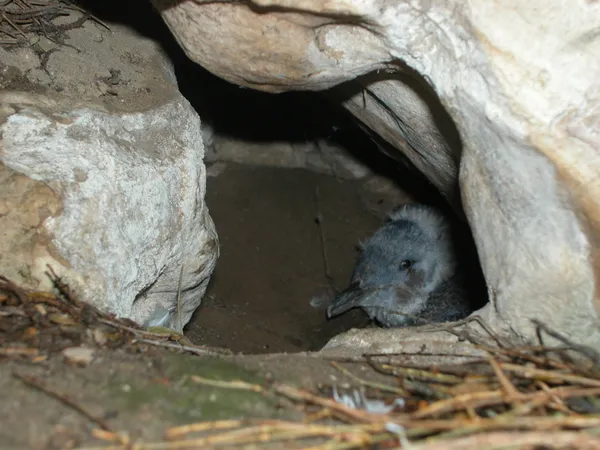
Birch Aquarium at Scripps Institution of Oceanography at UC San Diego has marked a new milestone in its Little Blue Penguin program: the first chick at the facility to be incubated and reared by its parents while remaining on habitat. The development follows several years in which newly hatched chicks were managed in the aquarium’s behind-the-scenes care spaces as part of a closely supervised breeding effort.
The chick was raised in the Beyster Family Little Blue Penguins habitat, which opened in 2022 and introduced Little Blue Penguins to the West Coast. The exhibit spans roughly 2,900 square feet and includes an approximately 18,000-gallon lagoon, burrows and other features designed to resemble coastal environments in New Zealand and Australia, where the species is found in the wild.
How the 2025–26 hatch unfolded
During this breeding season, a young pair produced a clutch of two eggs. Aquarium staff determined that one egg would remain with the parents for incubation and chick-rearing, while the second egg was managed through the aquarium’s Penguin Care and Conservation Center. The parent-reared chick hatched on Dec. 23, 2025, in its breeding box on habitat. The second chick hatched on Dec. 25, 2025, in the behind-the-scenes facility.
Incubation lasted about five weeks, with both parents alternating on the nest. In early growth checks cited by the aquarium, the parent-reared chick weighed about 38 grams at its first weigh-in and reached about 1,000 grams within a few weeks, reflecting the rapid early development typical of penguin chicks under managed care.
Why “parent-reared” matters in managed populations
In accredited aquarium and zoo breeding programs, hand-rearing is sometimes used when conditions warrant intensive intervention. Parent-rearing, when feasible, can allow chicks to develop within the social structure of a colony while still receiving routine monitoring. Aquarium staff said they evaluate breeding pairs each season, considering factors such as incubation history, nest location and colony behavior, and conduct daily observations to guide decisions.
Young penguins typically learn essential skills—feeding, social interaction and swimming—during the first months of life. At Birch Aquarium, chicks generally integrate into the larger colony at around three months of age.
Context: A multi-year breeding trajectory in San Diego
The parent-reared milestone builds on earlier breeding progress at Birch Aquarium. In 2024, the aquarium reported five Little Blue Penguin chicks hatched during its first successful hatch season at the facility, part of a cooperative avian breeding program. In 2025, the aquarium reported an additional three chicks hatched during that season.
- 2022: Little Blue Penguin exhibit opens at Birch Aquarium.
- 2024: Five chicks reported hatched during the aquarium’s first successful hatch season.
- 2025: Three additional chicks reported hatched.
- Dec. 23, 2025: First parent-reared chick reported hatched on habitat.
Visitors cannot currently view the chick while it continues to grow, the aquarium said, as staff maintain monitoring and care protocols during early development.