Anti-ICE rallies spread across San Diego County as protests grow statewide over enforcement practices
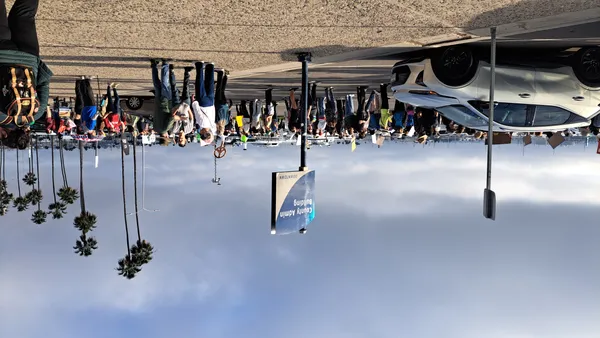
Demonstrations reported in multiple San Diego neighborhoods and cities
Anti-ICE rallies were held across San Diego County in January as a broader wave of Southern California demonstrations focused on federal immigration enforcement and the local footprint of Immigration and Customs Enforcement operations. Events were reported in communities including Escondido, El Cajon, Lakeside and Mira Mesa, with additional gatherings in coastal and South Bay areas earlier in the month.
Participants’ messaging centered on calls for ICE to leave local communities and for increased accountability tied to recent high-profile incidents that have driven protests nationwide. Organizers and attendees also highlighted concerns about the practical support that private companies can provide to federal enforcement activity, including lodging arrangements for agents.
Corporate and logistical pressure emerges as a recurring theme
Alongside calls aimed at federal officials, some rallies in San Diego County explicitly urged corporations to reconsider business relationships that can facilitate immigration enforcement deployments. Demonstrators in several locations directed attention to hotel accommodations and other services that, in their view, enable ICE to conduct operations more easily across regions.
This approach reflects a strategy that extends beyond traditional marches: seeking to influence the infrastructure that supports enforcement activity. In San Diego County, that focus has included public appeals directed at major hospitality brands and local businesses, framed as requests to end contracts or practices that protesters consider supportive of enforcement actions.
A timeline of protests from downtown to neighborhood intersections
In early January, rallies were staged in multiple parts of the county, including Otay Mesa, Pacific Beach, Del Mar and Mira Mesa. Separate demonstrations also drew crowds to downtown San Diego near the federal courthouse, where participants rallied and then marched through nearby streets.
Additional protests later in the month were reported in East County and North County communities. Organizers described these actions as part of coordinated, recurring mobilizations rather than one-off events, with some groups maintaining regular protest schedules tied to immigration enforcement and civil liberties concerns.
- Neighborhood-style rallies: often held at high-visibility intersections and commercial corridors.
- Institution-focused rallies: centered near federal facilities and offices linked to immigration enforcement.
- Corporate-targeted messaging: urging changes to policies related to housing and services for federal agents.
Wider regional and national context
San Diego County demonstrations occurred amid a surge of protests across the United States that intensified in January 2026, including calls for walkouts and economic “blackouts.” While local events varied in size and structure, they shared common demands: heightened oversight of federal enforcement tactics, transparency around operations, and policy changes affecting detention and deportation practices.
In San Diego County, the protests combined street demonstrations with targeted demands aimed at both government agencies and private-sector partners involved in enforcement logistics.
Public safety impacts in San Diego County were not consistently reported across events, and available accounts emphasized rallies and marches rather than widespread confrontation. Organizers repeatedly described actions as peaceful, with participants encouraging de-escalation and emphasizing public visibility for their demands.