Air Traffic Controller Shortages Drive Significant Delays at San Diego International Airport, Highlighting National Staffing Strains
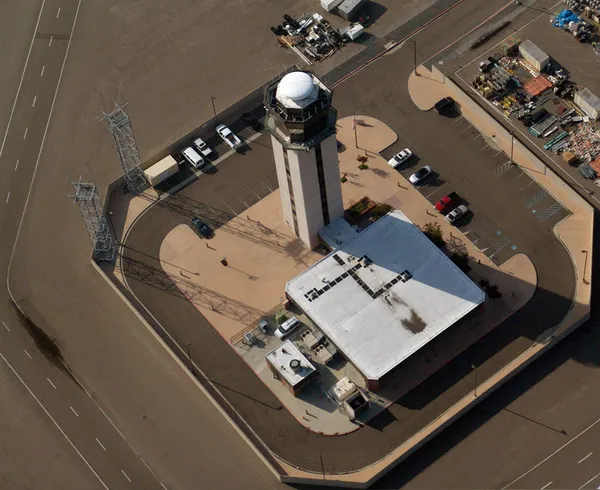
Delays linked to controller staffing constraints
San Diego International Airport (SAN) has experienced periods of heavy flight delays tied to air traffic control staffing constraints, a problem aviation officials have also flagged across multiple major U.S. airports. When staffing levels fall below what is needed for a given traffic volume, the air traffic system can respond by reducing the rate of arrivals and departures, which can ripple quickly through airline schedules.
Operationally, these constraints can trigger structured traffic-management measures that hold aircraft at their departure airports or meter arrivals into SAN to avoid exceeding what controllers can safely handle. The practical effect for travelers can include late departures, airborne holding, missed connections, and aircraft and crew arriving late to operate subsequent flights.
How staffing-driven slowdowns work
Air traffic controllers in the San Diego region work in both the airport tower environment and in radar approach control that sequences aircraft into and out of busy Southern California airspace. When too few controllers are available for a shift—because of vacancies, training pipeline limits, or unexpected absences—the system may have to lower the number of aircraft handled per hour.
Traffic-management tools used in these situations can include ground delay programs and other flow restrictions designed to match demand to available air traffic control capacity.
San Diego’s staffing gap in context
The staffing challenge is not limited to San Diego. Federal reporting and audits in recent years have documented persistent staffing gaps at critical air traffic facilities nationwide, alongside heavy reliance on overtime and extended schedules. The Federal Aviation Administration has also described a multi-year effort to rebuild staffing through increased hiring, while acknowledging that bringing new controllers to full certification can take months to years depending on facility complexity.
For SAN, publicly reported FAA staffing data has shown notable vacancy rates among local controller positions, with additional shortages in the broader Southern California radar approach facility that manages traffic flows for multiple airports in the region. Because SAN operates in complex, high-density airspace—and because flight banks concentrate demand at certain hours—reduced staffing can translate into outsized delay impacts during peak periods.
What passengers can expect during peak disruption periods
- Gate holds and delayed pushbacks as flights wait for assigned departure slots.
- Late-arriving aircraft and crews, causing cascading delays throughout the day.
- Increased risk of cancellations if delays disrupt crew duty-time limits or aircraft rotation plans.
- Longer travel times due to reroutes or spacing requirements in congested airspace.
Systemwide response and longer-term constraints
Federal officials have set hiring targets intended to increase the number of controllers entering training, but industry analyses and government reviews have stressed that hiring alone does not immediately resolve capacity constraints. Training throughput, on-the-job instruction capacity, and certification attrition remain limiting factors, meaning staffing-driven delays can persist even amid higher recruitment.
At SAN, the result is an operational reality in which some delay spikes are driven not by weather, but by how many certified controllers are available to manage traffic safely during the busiest hours.