2-1-1 San Diego launches “San Diegans Helping San Diegans” campaign as federal safety-net cuts deepen local demand
A 24/7 navigation hub expands outreach amid tightening budgets
2-1-1 San Diego, the countywide information and referral service that connects residents to community programs, has launched a new public-awareness initiative titled “San Diegans Helping San Diegans.” The campaign is designed to broaden awareness of how to access assistance and to strengthen confidence in the system as social-service providers face widening gaps tied to reductions in federal support.
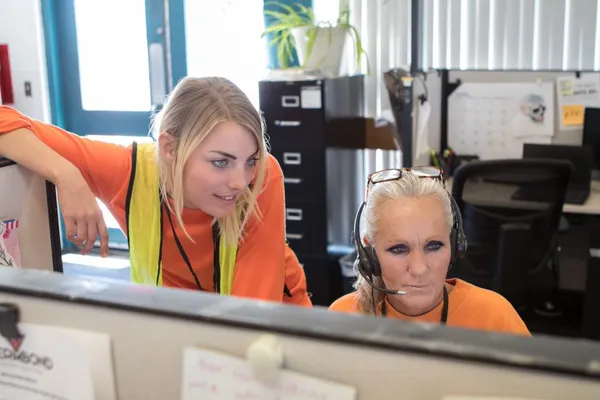
The nonprofit operates a free, 24/7 contact center that helps people identify and access services ranging from food and housing to utility assistance, health care, child care, employment support, and veteran resources. The organization also serves as a routing and information channel during emergencies, a role that can reduce non-emergency pressure on 911 systems.
Rising needs intersect with reduced public funding
The campaign arrives as many San Diego County nonprofits report higher demand for basic-needs services alongside unstable or shrinking budgets. Sectorwide reporting in recent months has pointed to budget pressure driven by a combination of government funding reductions, philanthropic constraints, and increasing caseload complexity. In practical terms, these dynamics can mean longer waits for appointments, reduced program capacity, or stricter eligibility thresholds—creating a larger need for accurate, timely referrals.
Against that backdrop, 2-1-1 San Diego is positioning itself as a single, widely accessible entry point where residents can be directed to appropriate providers and informed of changing program rules. The organization has said it intends to track policy and eligibility changes and help callers maintain access to services when requirements shift.
How 2-1-1 functions in a fragmented service landscape
San Diego County’s safety net is delivered through a large network of public agencies and nonprofits. 2-1-1 San Diego works as a connector within that network, steering residents toward relevant programs and helping clarify what documentation or steps may be needed to apply or remain enrolled.
Core function: screening needs and making referrals to local providers.
Systems role: helping residents navigate multiple programs with different rules and timelines.
Emergency role: sharing updated information on shelters and disaster-related resources.
Partnerships and philanthropic backstops
The latest outreach push also follows a period in which local philanthropic institutions and county leaders have discussed strategies to reduce disruption from federal funding changes. In parallel, food-security organizations have described the importance of maintaining enrollment and continuity in nutrition benefits, and have pointed to the value of a centralized helpline that can guide families through application and renewal processes.
As funding and eligibility rules change, residents often need rapid, trusted guidance on where to turn next and how to stay connected to essential services.
What residents can expect
2-1-1 San Diego’s campaign emphasizes that the service is available to all communities and age groups, and that it can connect residents to a broad range of supports. The operational test will be whether expanded awareness can translate into faster, more accurate connections to providers—particularly as nonprofits and public agencies manage higher demand with constrained resources.